


Key takeaways
- A financial emergency is any unexpected event that puts your ability to cover essential expenses at risk.
- Your first move should be stopping the bleeding: pause non-essential spending and list what you owe and when.
- Contact creditors before you miss a payment. Most have hardship programs that most people never ask about.
- An emergency fund changes the math entirely. Even three months of expenses gives you time to recover without going into debt.
- Insurance, community programs, and side income are all legitimate tools. Use them.
A financial emergency doesn't announce itself. One month things are fine; the next you're looking at a car repair bill, a medical charge, or a job loss and wondering how you're going to cover rent. Knowing what to do during a financial emergency before it happens is the difference between a stressful week and a stressful year. This article walks through exactly what I'd recommend, in order, from the moment things go sideways to the point where you're back on solid ground.
What counts as a financial emergency?
Not every surprise expense qualifies. Your definition matters, because if you treat every unexpected cost as an emergency, you'll drain any cushion you've built and never get ahead. A true financial emergency is an event that threatens your ability to cover the necessities: housing, food, utilities, and minimum debt payments.
Common examples include:
- Job loss or a sudden reduction in income
- A major medical bill, even with insurance
- A car breakdown that you need to fix to get to work
- A significant home repair (burst pipe, failed furnace, roof damage)
- A family member's crisis that requires you to send money
A new phone because yours broke is inconvenient. It's not an emergency unless your phone is your livelihood. Getting clear on that distinction keeps you from panicking unnecessarily and from raiding funds you'll need for something more serious.
What should you do first when a financial emergency hits?
The first 48 hours matter most. Panic leads to bad decisions: pulling from retirement accounts, taking payday loans, or ignoring the problem entirely because it feels too overwhelming to face. Here's what to do instead.
Stop discretionary spending immediately
Pause anything non-essential. Subscriptions, dining out, impulse purchases. You don't need to cancel everything permanently. You need to create a breathing room period where cash stops going out except for necessities. Even a two-week freeze can free up several hundred dollars you didn't realize you were spending.
Write down every obligation with its due date
Get all your bills on paper. Write the name, the minimum payment due, the due date, and what happens if you miss it. This sounds basic, but most people in a financial crisis are working from memory and anxiety rather than actual numbers. Looking at the real list is almost always less scary than the version in your head, and it tells you exactly where to focus first.
Contact creditors before you miss a payment
This is the most underused move in a financial emergency. Most lenders have hardship programs they don't advertise. If you call before you miss a payment and explain your situation, you can often get a reduced minimum payment, a deferred payment, or a temporary interest rate reduction. Credit card companies, mortgage servicers, and auto lenders all have these programs. They would rather work with you than send you to collections.
Look for fast, legitimate income
A one-time gig, selling something you own, picking up extra hours at work. I'm not talking about a full side business. A few hundred dollars from a weekend of focused effort can buy you significant time while you work on the bigger picture.
How do you build a budget during a financial crisis?
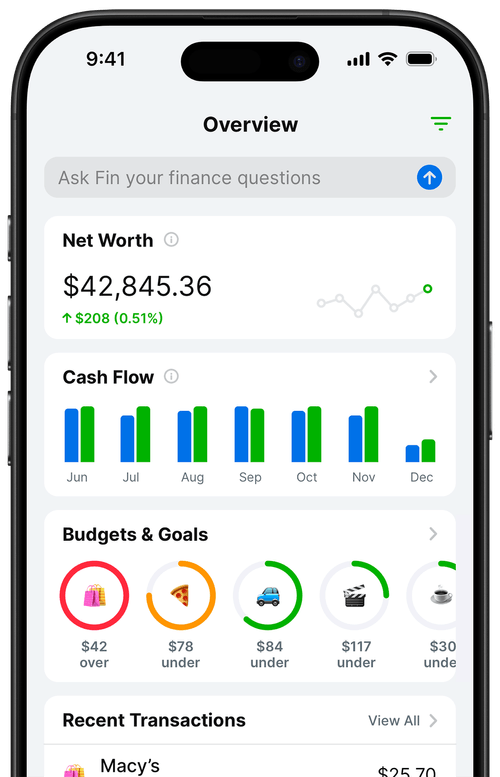
A crisis budget is different from a normal budget. The goal isn't balance or growth. The goal is survival: keep the roof on, keep the lights on, keep food in the house, and avoid late fees or account defaults that would compound the problem.
Start with fixed essential expenses
Rent or mortgage, utilities, minimum debt payments, and groceries. These are non-negotiable. Write down the exact amounts and treat them as the floor your income has to cover. Everything else is negotiable until you're stable.
Cut variable spending aggressively
Look at what you spent last month on restaurants, subscriptions, shopping, and entertainment. These are the categories where most people have more flexibility than they think. Cutting them doesn't feel good, but it's temporary. A month or two of aggressive cuts can change the trajectory of a difficult situation.
Research cheaper alternatives for necessities
Groceries are one of the few essential costs with real flexibility. Store-brand products cost less than name brands and work just as well for most categories. Meal planning before you shop eliminates waste. If you have a prescription medication that's expensive, ask your doctor about generic alternatives or programs from the manufacturer. The point isn't deprivation. The point is getting more out of each dollar you spend during a difficult stretch.
Stick to the numbers, not the feeling
A crisis budget works only if you actually track spending against it. Writing a budget and then not looking at it again is the most common failure mode I've seen. Check it weekly. If you went over in one category, you need to know that before the month is over, not after.
When should you look at debt consolidation during a financial emergency?
Debt consolidation is often presented as a silver bullet. It isn't. But it can genuinely help in specific situations, and it's worth understanding when it makes sense.
Consolidation combines multiple debts into one payment, ideally at a lower interest rate. The benefit is simplicity and potentially lower monthly cash outflow. The risk is that you extend the repayment period and pay more in total interest, or that you use the freed-up minimum payments to spend more and end up deeper in debt than before.
Consider consolidation if:
- You have multiple high-interest credit card balances and can qualify for a lower-rate personal loan or balance transfer card
- The math actually works: lower rate, shorter or equal repayment window, and you won't add new debt to the cleared cards
- You've already frozen discretionary spending so the consolidation isn't just resetting a pattern
Don't consolidate if you're doing it to buy time without changing the underlying behavior, or if the fees make the deal worse than your current situation. Always run the full numbers before signing anything.
What role does an emergency fund play in a financial crisis?
If you're in the middle of a financial emergency right now, this section might feel like salt in a wound. If you had an emergency fund, you probably wouldn't be reading this. But understanding the role it plays is useful even mid-crisis, because rebuilding one after this is over should be your first financial priority.
An emergency fund is cash set aside specifically for unexpected expenses. Most financial advisors suggest three to six months of essential expenses, held in a separate savings account with no debit card attached to it. The separation matters. Having it in your main checking account means it gets spent.
The reason it changes everything: when an emergency hits and you have three months of expenses in reserve, you have time. Time to find a better job rather than taking the first one offered. Time to shop around for repair quotes rather than saying yes to the first contractor. Time to negotiate with creditors from a position of stability rather than desperation. You can read more about how much to set aside in my earlier piece on emergency fund sizing.
If you're currently in a crisis without a fund, the short-term priority is survival. Once you're stable, start with $500 as a starter emergency fund. It won't cover a major crisis, but it covers most car repairs and medical copays, which are the most frequent financial surprises people face.
Does insurance help cover financial emergencies?
Insurance is one of the most underutilized financial tools people have. When a covered event occurs, a claim can dramatically reduce the financial impact of an emergency. The problem is most people either don't know what their policies cover or don't think to file a claim until it's too late.
Health insurance
Before you pay a large medical bill, review your Explanation of Benefits from your insurer. Medical billing errors are common, and bills often come before the insurance discount is applied. If you owe a significant amount after insurance, ask the provider about a payment plan or financial hardship discount. Most hospitals have programs they don't advertise prominently.
Auto insurance
If your car was damaged in an accident, comprehensive or collision coverage may apply depending on your policy. Even if you're at fault, filing a claim and paying the deductible is often less expensive than paying out of pocket for major repairs.
Homeowners or renters insurance
Sudden damage from events like burst pipes or fires is typically covered. People often assume their situation isn't covered and never file, which is worth double-checking. Read your declarations page, call your agent, and find out what applies before you pay for repairs yourself.
One important note: regularly review your coverage amounts and deductibles. A policy that made sense when you first signed up may have gaps now, and discovering those gaps during an emergency is the worst time to find out.
How do you avoid financial emergencies in the future?
No plan eliminates risk entirely. A job loss, a medical diagnosis, or a natural disaster can happen to anyone. The goal isn't to predict everything. The goal is to build enough resilience that when something happens, it's a problem you manage rather than a crisis that takes over your life.
The most effective steps, in order of impact:
- Build an emergency fund first, before other financial goals. I know the math says to pay down high-interest debt before saving, and usually that's right. But an emergency fund is insurance. Without it, any setback sends you back into debt, which cancels out the progress you were making.
- Review your actual spending monthly. Most financial surprises aren't surprises at all. They're predictable categories, like car maintenance or annual insurance premiums, that people forget to budget for. A monthly review helps you see them coming.
- Avoid high-interest debt as a default. Credit cards at 20 to 25 percent interest turn manageable problems into compounding ones. Use them for points if you pay the balance each month, but don't carry balances as a coping mechanism.
- Keep insurance coverage current. Underinsurance is a source of financial emergencies, not just a gap. Review your health, auto, renters or homeowners, and if applicable, disability coverage each year.
- Talk to a fee-only financial planner if you're unsure where to start. Not a commissioned salesperson. A fee-only advisor who charges by the hour or by the plan. A single session can clarify your priorities significantly.
Frequently Asked Questions
What counts as a financial emergency?
A financial emergency is any unexpected event that puts your ability to cover essential expenses at risk. Common examples include job loss, a major medical bill, a serious car breakdown, or a significant home repair. An inconvenient but manageable expense, like a minor appliance replacement, usually doesn't qualify.
Should I use my savings to cover a financial emergency?
If the withdrawal is manageable and won't wipe out your entire cushion, using savings is often the right call. That's exactly what an emergency fund exists for. If the emergency would drain your savings entirely, explore other options first and use savings to fill the remaining gap.
Can I get help during a financial emergency if my credit score is low?
Yes. Community organizations, government assistance programs, nonprofit credit counseling agencies, and family or friends are all options that don't depend on your credit score. Federal programs like SNAP, Medicaid, and utility assistance are available based on income, not creditworthiness.
How do I prioritize which bills to pay first during a crisis?
Pay essentials first: housing (rent or mortgage), utilities, and food. Then prioritize transportation if you need it to earn income. Credit card minimums come after those. Non-essential subscriptions and discretionary expenses are the first things to pause or cancel.
What should I do if I can't make my debt payments during a financial emergency?
Contact your creditors before you miss a payment. Most lenders have hardship programs that can reduce or defer payments temporarily. Nonprofit credit counseling agencies can also help you negotiate manageable terms at no or low cost. Don't wait until you're already behind to make that call.