


Key takeaways
- The most common budgeting mistakes are structural, not motivational. Fixing the structure fixes the budget.
- Budgets built from aspirational numbers fail faster than budgets built from real spending history.
- Skipping small purchases and irregular expenses creates a false picture that guarantees overruns.
- Emotional spending patterns and vague financial goals undermine even technically correct budgets.
- A budget that stops working needs an audit, not abandonment. Most problems have simple fixes.
Common budgeting mistakes tend to follow a pattern. Someone builds a budget with good intentions, hits a wall after three or four weeks, and concludes that budgeting does not work for them. The budget was not the problem. The setup was. After years of building personal finance tools and talking with people who have struggled to stick to a budget, I keep seeing the same handful of errors appear again and again. They are fixable, and identifying them is most of the work.
This article covers the ten mistakes I see most often, why each one causes trouble, and exactly what to do differently. Whether you are starting your first budget or troubleshooting one that keeps falling apart, there is something useful here.
What are the most common budgeting mistakes people make when starting out?
Mistake 1: Having no budget at all
The biggest budgeting mistake is the absence of one. Many people believe they have a decent handle on their finances without writing anything down. Sometimes that is true, but it is usually less true than they think. A budget creates visibility. Without one, recurring subscriptions accumulate unnoticed, small daily purchases add up to large monthly totals, and there is no framework for making intentional decisions about where money should go.
If starting from scratch feels overwhelming, pick a simple structure and just begin. The 50/30/20 rule, the envelope method, or a basic list of spending categories are all fine starting points. The specific method matters far less than having one.
Mistake 2: Building the budget from aspirational numbers
This is the mistake that kills most budgets in the first month. Someone sits down to create a budget and assigns spending limits based on what they think they should spend, rather than what they actually spend. The grocery limit is $300 because that sounds reasonable. The dining out limit is $150 because that feels responsible. Then the real numbers come in and everything is over budget immediately.
The fix is to look at three months of actual spending before assigning a single limit. Pull your bank statements or card history, total up each category, and use those numbers as your starting point. From there, decide where you want to reduce spending deliberately and by how much. A budget grounded in reality has a much better chance of surviving contact with actual life.
Mistake 3: Setting it and never reviewing it
Life changes. Income goes up or down. Expenses shift seasonally. A car payment ends and a new one starts. A budget built to fit your life in January may not reflect your life in August, and a budget that does not match your current situation is essentially a fiction. Monthly budget reviews take fifteen minutes and catch drift before it compounds. Any time income or a major expense changes, do a full reset. Treat the budget as a living document, not a one-time project.
Why does tracking feel broken even when you have a budget?
Mistake 4: Skipping small purchases
The rounding error most people make with their budget is deciding that small purchases do not matter enough to track. A $4 coffee here, a $12 delivery fee there, a $7 app subscription that auto-renewed without much thought. Individually, none of these feels significant. Collectively, they account for a meaningful slice of most people's monthly spending. A $6 daily coffee habit runs about $1,560 a year. That is not trivial.
The habit to build is tracking every purchase when it happens. Logging a transaction thirty seconds after you make it takes almost no effort and keeps your picture of spending accurate. Many budgeting apps can sync with your bank accounts and categorize transactions automatically, which lowers the friction considerably. If you prefer manual entry, the important thing is not to let purchases pile up into a weekend reconciliation session. Catching up in bulk makes it easy to miss purchases and easy to forget what was purchased where.
Mistake 5: Delaying tracking until you are behind
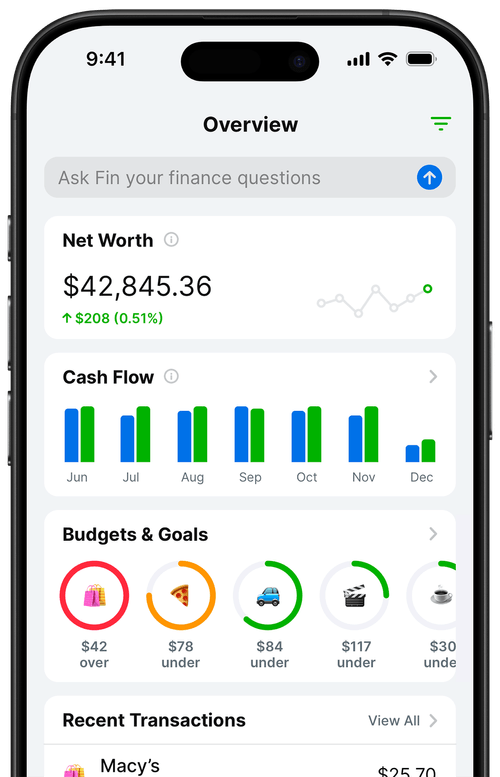
Procrastination on expense tracking is a budget killer. Once you fall a week or two behind, the catch-up session feels like a chore, and you are working from incomplete memory. Forgotten purchases quietly push categories over their limits in ways you do not notice until the damage is done. The simplest fix is a brief daily habit, even just two or three minutes, to review transactions and confirm everything is categorized correctly. This keeps the budget feeling current and removes the anxiety of not knowing where you stand.
How do emotional spending triggers undermine even a solid budget?
Mistake 6: Conflating wants with needs in the moment
Impulse purchases are almost never random. They follow emotional states: boredom, stress, FOMO, the feeling of having just closed a difficult week. In the moment, a purchase can feel entirely justified because the emotional pressure to buy makes it feel like a need. This is not a character flaw; it is how the brain responds to discomfort. But it does punch holes in budgets consistently.
Two practical tools help here. First, a 48-hour rule on non-essential purchases above a certain threshold. If you still want it in two days, buy it; if not, you have your answer. Second, a dedicated discretionary fund inside the budget, a category with a real dollar amount for guilt-free spending on wants. When that fund is empty, it is empty. Containing impulse spending inside a category keeps it from eating into categories meant for essentials.
Mistake 7: Ignoring the emotional patterns around money
Our relationship with money is older than our spreadsheets. The habits and beliefs that drive financial behavior were often formed long before anyone sat down to build a budget. Stress-shopping, anxiety-saving, avoidance of looking at bank balances, the "I deserve this" rationalization after a hard week: these patterns undermine budgets not because the budget math is wrong, but because the emotional driver is stronger than the intention.
Recognizing the pattern is the first and most important step. When you notice yourself reaching for spending as a coping mechanism, naming it explicitly, "I am stress-shopping right now," creates a small amount of distance from the impulse. From there, having an alternative that addresses the actual need (the stress, the boredom, the fatigue) is more reliable than willpower alone.
What budgeting mistakes happen when you set goals the wrong way?
Mistake 8: Budgeting without financial goals attached
A budget without a goal is just a set of spending limits. It tells you where money went but gives you no particular reason to care. Financial goals are what give a budget meaning and create the motivation to stick with it when spending is tempting. Paying off a credit card, building a three-month emergency fund, saving for a specific trip: these are concrete targets that make budget discipline feel purposeful rather than arbitrary.
Effective goals are specific and time-bound. "Save more money" is not a goal. "Save $4,000 toward a car down payment by December" is. When you know the target amount and the deadline, you can reverse-engineer the monthly savings contribution and build it into the budget as a non-negotiable line item. Goals without deadlines tend to stay wishes.
Mistake 9: Underestimating how much debt costs you
Minimum payments are a trap that most people understand intellectually but underestimate in practice. A credit card balance of $5,000 at 22 percent APR, paid at the minimum each month, will cost over $4,000 in interest and take more than a decade to clear. The minimum payment keeps you current but barely chips at the principal. This is one of the most expensive common budgeting mistakes because it is quiet. The money leaves your account in small increments and the balance barely moves.
Strategies like the debt snowball (paying off the smallest balance first for momentum) or the debt avalanche (targeting the highest interest rate first for efficiency) both work. The key is paying meaningfully more than the minimum on at least one debt at a time. Even an extra $50 a month directed at a high-interest balance accelerates the payoff significantly. If debt feels unmanageable, a nonprofit credit counselor can help build a structured plan at no cost.
How do irregular expenses and sinking funds fit into a budget?
Mistake 10: Treating predictable irregular expenses as surprises
Car registration. Annual insurance premiums. Holiday gifts. Vet bills. Home maintenance. These expenses are predictable in the sense that they happen every year, but irregular in the sense that they do not hit every month. When you leave them out of your monthly budget, they arrive as "surprises" that blow your spending plan apart. This happens to most people at least once a year, and it is almost entirely avoidable.
The tool for handling this is a sinking fund: a dedicated savings category for a specific known future expense. If your car registration costs $180 a year, you set aside $15 a month in a sinking fund labeled "Car Registration" and it is there when you need it. If you typically spend $600 on holiday gifts, $50 a month starting in January means December is no longer a crisis. Building sinking funds into your budget for five or six major irregular expenses transforms them from budget-wreckers into budget items. The math is simple; the discipline is just making it a habit.
Frequently Asked Questions
What is the most common reason budgets fail?
Most budgets fail because the numbers are aspirational rather than grounded in real spending history. People set category limits based on what they wish they spent, not what they actually spend, then get discouraged when they miss targets in the first week.
How often should you review and update your budget?
Review your budget at least once a month, and do a deeper reset any time your income or major expenses change. A budget set six months ago may no longer reflect your actual life.
What is a sinking fund and why does it matter for budgeting?
A sinking fund is a dedicated savings category for known future expenses like car repairs, holiday gifts, or annual subscriptions. Setting aside a small amount each month prevents these predictable costs from wrecking your budget when they arrive.
Is it a budgeting mistake to skip tracking small purchases?
Yes. Small purchases accumulate faster than most people expect. A $6 coffee five days a week is $1,560 a year. Tracking everything, even minor expenses, gives you an accurate picture of where your money actually goes.
How do you fix a budget that keeps failing?
Start by looking at three months of actual spending before setting any limits. Then adjust your category targets to match reality, not aspiration. If a category keeps going over, either increase the budget for that category or actively reduce spending in that area.