


Key takeaways
- There is no universally "best" budgeting method. The right one is the one you will maintain past the first month.
- The 50/30/20 rule is the easiest starting point for most people, especially if tracking every transaction sounds exhausting.
- Zero-based budgeting gives you the most control and works well for aggressive debt payoff, but it requires consistent upkeep.
- Envelope budgeting (physical or digital) is the most effective method for curbing specific overspending habits.
- Pay-yourself-first is not a full budget on its own, but it is the most reliable way to make saving non-negotiable.
- You do not have to pick just one method. Most people eventually combine elements from two or three.
The question of which budgeting method is right for you comes up a lot, and the honest answer is that it depends less on what is "best" and more on what you will actually keep doing. I have seen people build a detailed zero-based budget on a Sunday and abandon it by Wednesday. I have also seen someone use a simple three-envelope system for five years and clear $30,000 in debt. The method matters less than the fit.
This article walks through the four most common budgeting methods, what each one is genuinely good at, and the specific situations where each one tends to break down. By the end, you should have a clear enough picture to pick one and start.
Why does your choice of budgeting method actually matter?
Most budgeting advice skips this question, but it is worth addressing directly. A budget is only useful if it changes your behavior. That means the structure has to fit how you actually think about money, not how you wish you thought about it.
If you choose a method that requires 20 minutes of daily upkeep and you hate detailed tracking, you will quit. If you choose something so loose that it gives you no useful feedback, nothing changes. The goal is finding the level of structure that is just tight enough to surface problems and just flexible enough that you do not resent using it.
There is also a practical consideration: different methods solve different problems. If your main issue is that you spend too much on dining out, a method that tracks categories closely will help more than one that only looks at broad totals. If your main issue is that you never save anything, pay-yourself-first will solve that faster than any tracking system.
What is the 50/30/20 rule and who is it best for?
The 50/30/20 rule divides your after-tax income into three buckets: 50 percent for needs (housing, utilities, groceries, transportation), 30 percent for wants (dining out, entertainment, subscriptions, travel), and 20 percent for savings and debt repayment. That is the entire framework.
What makes it work is its simplicity. You do not have to create 15 spending categories or track every transaction in real time. You just need to know your take-home income, add up your fixed costs, and see whether the proportions are roughly right.
Where it works well: The 50/30/20 rule is the best starting point for anyone new to budgeting, anyone who has tried detailed tracking before and found it exhausting, and anyone with a stable monthly income. It gives you enough structure to catch obvious problems (spending 70 percent on needs leaves nothing for anything else) without demanding precision.
Where it breaks down: The 50 percent needs threshold is based on average cost-of-living assumptions that do not hold in high-cost cities. If you live in San Francisco or New York, housing alone may consume 50 percent of your income, leaving the remaining buckets with no room. The rule also does not tell you much about where specifically you are overspending within the "wants" category. It is a diagnostic tool, not a detailed spending plan.
Honest tradeoff: The 50/30/20 rule is the easiest method to start with and the one most likely to survive contact with real life. For most people, that is enough reason to start here.
What is zero-based budgeting and when does it make sense?
Zero-based budgeting assigns a purpose to every dollar of income before the month begins. You start with your income total, subtract every planned expense (including savings and debt payments), and work until the number reaches zero. Not spent, but allocated: every dollar has a job, whether that job is rent, groceries, an emergency fund contribution, or a vacation savings category.
The discipline this creates is real. When you have to explicitly decide where every dollar goes, you notice things that aggregate tracking misses. A $12 streaming service you forgot about shows up when you are trying to balance the budget to zero. An irregular annual expense like car registration gets planned for in advance rather than hitting you as a surprise in October.
Where it works well: Zero-based budgeting is the most effective method for people trying to pay off debt aggressively, people with irregular expenses that regularly derail their finances, and anyone who genuinely wants to optimize every dollar. It rewards attention and consistency.
Where it breaks down: The upfront setup takes real time, and rebuilding the budget each month (which is what the method technically requires) is a significant commitment. If your income varies month to month, zeroing out a variable income is frustrating because the math keeps changing before the month ends. It also requires more tolerance for bookkeeping than most people have.
Honest tradeoff: Zero-based budgeting is the most powerful method on this list. It is also the most demanding. If you find detailed tracking satisfying rather than draining, it is worth the investment. If tracking feels like a chore, you will quit before it has time to work.
What is envelope budgeting and how does it control overspending?
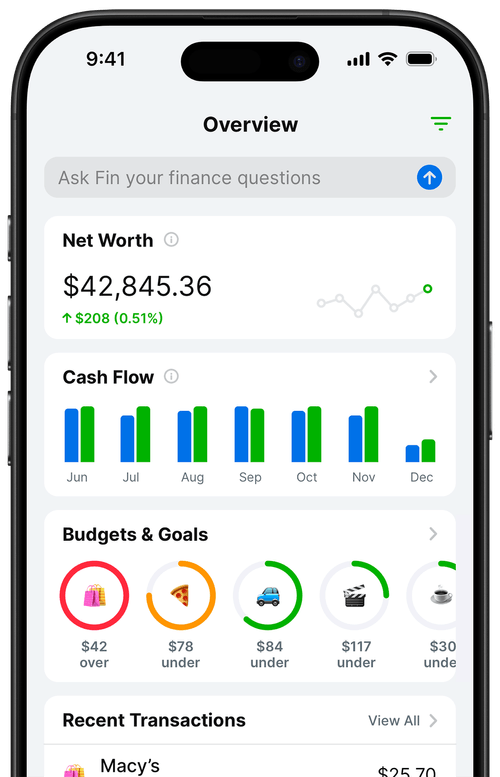
Envelope budgeting allocates a fixed cash amount to each spending category at the start of the month. Traditionally, you put physical cash into labeled envelopes: one for groceries, one for dining out, one for gas, and so on. When an envelope is empty, that category is done for the month.
The psychology here is well-documented. Spending physical cash feels more real than swiping a card, which is why people consistently spend less when they use cash for discretionary purchases. The envelope system formalizes that effect by creating a hard stop rather than a soft guideline.
The physical-cash version does not work as well for people who rarely use cash. But the same logic applies digitally: you set a fixed category budget, track spending against it, and treat a depleted category as a firm limit rather than a suggestion. The constraint is what makes it effective.
Where it works well: Envelope budgeting is the most effective method for anyone who overspends in specific, predictable categories (dining, clothing, entertainment). It is also strong for people with variable income who want clear limits that adjust each month based on what came in. And it works well for anyone who has tried looser methods and found that "I'll spend less this month" is not a plan.
Where it breaks down: The method requires you to decide at the start of the month how much goes in each envelope, which assumes you know your spending patterns well enough to set realistic limits. Early on, you will almost certainly miscalibrate. Setting the groceries envelope too low and running out on the 20th is demoralizing and teaches the wrong lesson. Start with generous limits and tighten over time.
Honest tradeoff: Envelope budgeting creates the clearest behavioral feedback of any method on this list. The tradeoff is that it requires the most upfront category-level thinking. If you are willing to do that work, it is very effective at stopping specific spending habits that other methods just flag without changing.
What is pay-yourself-first budgeting?
Pay-yourself-first flips the standard sequence. Instead of spending throughout the month and saving whatever is left, you move money to savings or debt repayment the moment your paycheck arrives, then live on what remains.
The logic is blunt: if you wait until the end of the month to save, most people find there is nothing left. Fixed expenses happen, variable spending expands to fill available space, and the savings transfer becomes something you will do next month. Automating the transfer removes the decision entirely.
Where it works well: Pay-yourself-first is the most reliable way to build savings consistently, especially for people who have tried to save "what's left over" and repeatedly found there was nothing left. It also works well paired with another method: move savings first, then use the 50/30/20 rule or envelope system for what remains.
Where it breaks down: Pay-yourself-first is not a complete budgeting system. It tells you where the first dollars go, but it says nothing about how to manage the rest of your spending. If your discretionary spending is the main problem, automating savings does not solve it. You still need some structure for the money that stays in your account.
Honest tradeoff: This method does one thing and does it well: it makes saving automatic and non-negotiable. Use it in combination with another approach rather than as a standalone system.
What other budgeting approaches are worth knowing about?
A few additional methods come up less often but are worth a quick look.
Value-based budgeting starts from your personal priorities rather than income percentages. You identify what genuinely matters to you (travel, early retirement, charitable giving), allocate generously toward those categories, and cut aggressively in areas that do not align with your values. It is less a tracking system and more a decision-making framework. People who find traditional budgets feel like deprivation often do better with this approach because spending feels purposeful rather than restricted.
Incremental budgeting uses last month's (or last year's) actual spending as the starting point and adjusts from there. If you spent $400 on groceries last month and prices are going up, you budget $420 this month. It is low effort for people whose spending is already fairly stable and who are not trying to make dramatic changes. The downside is that it locks in existing habits rather than challenging them.
Activity-based budgeting focuses on the cost of specific activities or projects rather than recurring categories. It is more useful for planning a home renovation or a wedding than for managing monthly household spending. Worth knowing about, but probably not what most people need for day-to-day finances.
None of these replace the core four methods. They are useful additions or adjustments once you have a working baseline.
Which budgeting method should I actually start with?
Here is a practical decision tree based on the most common starting situations.
If you have never budgeted before: Start with the 50/30/20 rule. Spend one afternoon calculating your current spending against the three buckets. You will immediately see whether you have a structural problem (too much going to fixed costs) or a discretionary problem (the wants bucket is eating everything). That information tells you what to work on next.
If you want to pay off debt as fast as possible: Use zero-based budgeting combined with pay-yourself-first for debt payments. Allocate aggressively to debt from the first dollar, then build the rest of the budget around what remains.
If you keep overspending in specific categories: Use envelope budgeting for those categories specifically. You do not have to apply it to everything. Setting a firm monthly limit on dining or clothing while managing the rest of your spending loosely is a valid approach and often more sustainable than going full envelope for every category at once.
If you can never seem to save anything: Set up an automatic transfer to savings on the day your paycheck hits, before you do anything else. Start with an amount that feels too small, and increase it every few months. Pair it with the 50/30/20 rule to manage the rest.
One more thing worth saying: commit to whatever you choose for at least two full months before you evaluate it. The first month reveals what you did not plan for. The second month shows whether the system actually fits your habits. Most people who quit after three weeks never gave the method a fair trial.
If you want a structured way to get started in the first month, the 30-day budget kickstart walks you through a small daily task for thirty days, with pre-built categories and three methods specifically for variable income.
Frequently Asked Questions
Which budgeting method is best for beginners?
The 50/30/20 rule is the most beginner-friendly method. It gives you a clear framework without requiring you to track every transaction. Once that habit is in place, most people find it natural to add more detail over time.
Is zero-based budgeting worth the extra effort?
It depends on your goal. If you are trying to pay down debt aggressively or want complete control over where every dollar goes, yes. If you just want to stop overspending in a few categories, zero-based budgeting may be more work than you need.
Can I use cash envelopes if I rarely use cash?
Yes. The envelope method works with digital categories the same way it works with physical cash. You set a fixed amount for each spending category and stop when it is gone, regardless of whether you are using physical bills or a tracking app.
What is pay-yourself-first budgeting?
Pay-yourself-first means moving money to savings or debt repayment immediately when your paycheck arrives, before spending on anything else. The idea is that you will spend whatever is left and save nothing if saving comes last.
How long should I try a budgeting method before switching?
Give any method at least two full months before switching. The first month often reveals setup issues and irregular expenses you did not plan for. The second month shows whether the system actually fits your habits.
Do I have to pick just one budgeting method?
No. Many people combine elements from multiple methods. A common approach is to use pay-yourself-first for savings, the 50/30/20 split as a general guide, and envelope-style limits for the categories where they tend to overspend.