


Key takeaways
- The most effective budget lever is destination choice: some countries cost three times more than others for a nearly equivalent experience.
- Flights and accommodation together represent 50 to 70 percent of total trip costs, so optimizing those two categories first moves the needle most.
- Off-peak travel consistently cuts accommodation and flight prices by 20 to 40 percent, with the added benefit of shorter lines and more authentic local experiences.
- Tracking daily spending in real time, not reviewing at the end of the trip, is the difference between staying on budget and discovering you blew it on the flight home.
- Travel insurance is not an optional luxury on a budget trip; one emergency can cost more than the entire journey.
Learning how to travel on a budget without sacrificing experience is not about deprivation. It is about front-loading the decisions that matter and letting the rest take care of itself. Most people who overspend while traveling do not blow their budget on one obvious luxury; they lose it in a hundred small, invisible choices that were never planned for. A taxi instead of a bus here, a tourist-district restaurant there, a last-minute accommodation upgrade because the cheap option was not booked far enough ahead. The fix is not willpower. It is preparation.
How do you travel on a budget before you ever leave home?
Budget-friendly travel starts weeks or months before departure, not at the airport. The single most impactful thing you can do is build a line-item trip budget that covers every major category: flights, accommodation, ground transport, food per day, entry fees and activities, and a buffer for unexpected expenses. Research the real cost of each category at your specific destination, not a global average, because costs vary wildly between cities within the same country.
Once you have a per-day estimate, multiply by the number of days and add your fixed costs. If the total exceeds what you have, trim the variable categories in order of flexibility. Accommodation and food have the most room. Activities and once-in-a-trip experiences have less. Flights are mostly fixed once you commit to a date range, which is why booking earlier almost always wins on price.
Fare alert tools like Google Flights price tracking and Hopper let you monitor routes over weeks. Booking 6 to 8 weeks out for domestic routes and 3 to 5 months out for international routes tends to hit the pricing sweet spot. Being flexible on departure days by even one or two days can cut fares by 20 to 30 percent on some routes.
Travel insurance belongs in the planning stage, not as an afterthought. A single medical emergency abroad, or a cancelled flight with no coverage, can cost more than the entire trip budget. Comparing policies takes an hour and can save thousands. On a genuine budget trip where margins are tight, it is one of the few non-negotiable expenses.
How does destination choice affect budget travel costs?
Destination is the highest-leverage variable in budget travel. The difference between a week in Norway and a week in Vietnam at the same comfort level can be three to four times the total cost. Choosing a destination where your currency has strong purchasing power lets you travel longer and more comfortably for the same outlay.
Countries that consistently offer high value for budget travelers include Thailand, Vietnam, Portugal, Mexico, Hungary, and Morocco. These destinations have developed tourism infrastructure without Western European price tags. Street food is excellent, accommodation ranges from inexpensive hostels to comfortable guesthouses, and local transport is cheap and reliable.
Within any country, destination selection at the city level matters too. A week in Bangkok costs considerably less than a week in Chiang Mai's tourist core, which itself costs less than certain beach resort towns in the south. Spending a day researching which specific cities or regions offer the best value within your target country can reshape the budget significantly.
Avoiding the most popular tourist hotspots within a destination is both a money-saving and an experience-enhancing move. The restaurant 200 meters from the main square charges two to three times what a place four streets away charges for essentially the same food. The secondary museum in a city is often less crowded, equally interesting, and half the price of the flagship attraction.
How can budget travelers save money on accommodation?
Accommodation is usually the largest daily variable expense, which makes it the most important category to optimize. The spectrum runs from free couch surfing and hostel dormitories through private hostel rooms, guesthouses, and apartment rentals, up to hotels. Each step up roughly doubles the cost.
Hostels get a bad reputation from people who have never stayed in a modern one. In most major travel destinations, a private room in a well-reviewed hostel is cheaper than the equivalent hotel room, cleaner than budget hotels, and often located better. The common areas also function as built-in social infrastructure, which matters when you are traveling alone.
Apartment rentals through platforms like Airbnb or Booking.com make economic sense on longer stays, especially for two or more people. The per-night cost drops considerably for weekly bookings, and having a kitchen cuts food costs significantly. A week in a rented apartment where you cook breakfast and two or three dinners typically costs less than a week in a budget hotel with restaurant meals for every meal.
Traveling during off-peak season, which varies by destination, can cut accommodation prices by 20 to 40 percent compared to peak periods. The experiential tradeoff is usually minimal: slightly worse weather in exchange for smaller crowds, faster service at restaurants and attractions, and often a more genuine sense of daily life in the place you are visiting. Shoulder season (the weeks just before or after peak) often hits the best balance of price and conditions.
How do budget travelers handle food without giving up the experience?
Food is where budget travelers make and lose the most money on a daily basis. In countries with strong street food and market culture, eating local is not just cheaper, it is demonstrably better. A bowl of pho from a plastic-stool street vendor in Hanoi will be more memorable than anything served at the hotel restaurant aimed at foreign tourists. Following locals is the most reliable heuristic: if a place is full of people who live there, the food is almost certainly worth eating.
The practical framework is to eat street food or local markets for breakfast and lunch, then spend more deliberately on one sit-down dinner per day if that matters to you. This approach lets you budget around $10 to $20 per day for food in Southeast Asia or Eastern Europe while still eating well and experiencing the local food culture properly.
Grocery runs for snacks, water, and some meals are underused by many travelers. In most countries, supermarkets and local markets sell fresh produce, bread, cheese, and ready-made foods at a fraction of restaurant prices. Keeping snacks at hand also reduces the impulse spending that happens when you are hungry and walking past tourist-strip restaurants.
Alcohol is the silent budget killer on many trips. A round of drinks at a bar in a tourist district in many European cities costs as much as a full day of food in Southeast Asia. If drinking is part of the trip for you, choosing local bars away from the main tourist strips, or buying from a supermarket to drink at accommodation, makes a measurable difference over a week-long trip.
How does budget travel work for transportation on the ground?
Ground transportation is one of the easiest categories to over-spend on, because taxis and rideshares are convenient and individually cheap enough that each one feels trivial. Over a week, those individual rides add up to a meaningful portion of the daily budget.
Public transportation is almost always the right default in any city with a functioning system. Buses and metro systems move you from the same point A to the same point B as a taxi, at a fraction of the cost, and they expose you to ordinary city life in a way that a rideshare does not. In cities with good public transit, buying a multi-day transit pass on arrival is usually the most economical option.
For intercity travel, overnight trains and buses are a budget traveler's tool that often gets overlooked. A sleeper bus or train from one city to the next covers the distance and the night's accommodation in a single cost. In Thailand, Vietnam, and parts of Eastern Europe, overnight sleeper trains are inexpensive, comfortable enough for a decent night's sleep, and arrive at a reasonable hour.
Walking is consistently underrated. Most cities are more walkable than they appear on a map, and walking neighborhoods you would otherwise transit through turns out to be one of the better ways to actually experience a place. Factoring in one or two long walks per day both saves transport money and produces the kind of unplanned moments that end up being the stories people tell later.
How do you track spending while traveling to stay on budget?
This is where most budget trips fall apart. People set a budget at home, arrive at the destination, and then stop paying attention until they check their bank balance on the flight home. By that point, the information is useless.
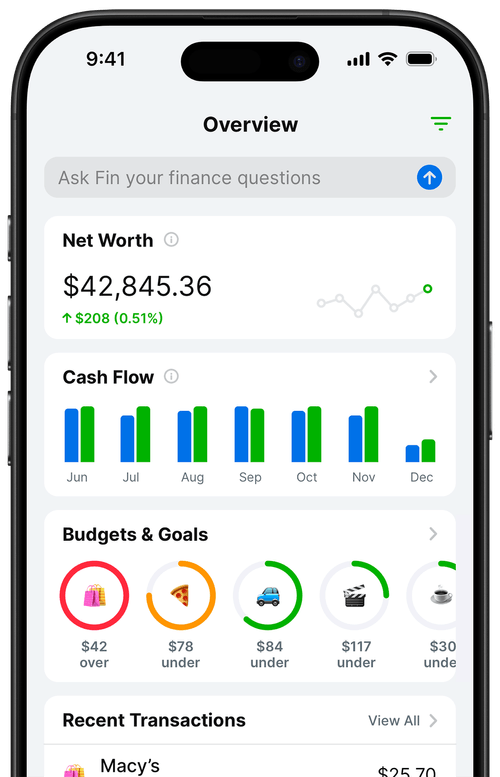
Tracking spending in real time, as each expense happens, is the only approach that gives you enough time to adjust. If you blow the accommodation budget on day two, knowing that on day two lets you cut back on food and activities for the rest of the trip. Knowing it on day eight tells you nothing useful.
The categories worth tracking on a travel budget are: accommodation (usually paid in advance so easy to log), food, transport, activities and entry fees, and miscellaneous. That last category is where most of the invisible spending lives: SIM cards, laundry, ATM fees, and the souvenir you bought at the airport. Logging it forces you to see it.
One practical note on ATM fees: airport ATMs reliably charge higher fees than ATMs a few blocks from the airport. Withdrawing a larger amount less frequently is more economical than withdrawing small amounts repeatedly, because you pay the transaction fee each time. Research your bank's international withdrawal fee before departure, and consider whether opening a travel-friendly account makes sense if you travel more than once or twice a year.
Currency exchange at airports and hotel lobbies is almost always the worst rate available. Using local ATMs on arrival almost always gives a better rate than pre-purchasing currency at home through a bank or exchange bureau. The exceptions are currencies that are difficult to obtain abroad or countries where the official exchange rate differs significantly from the market rate.
Frequently Asked Questions
How much money do I need to travel on a budget?
It depends heavily on the destination. Southeast Asia and parts of Eastern Europe are manageable on $50 to $80 per day including accommodation, food, and local transport. Western Europe and Australia cost significantly more. Build a destination-specific budget before booking anything rather than relying on broad averages.
What is the biggest expense when traveling?
For most trips, flights and accommodation together account for 50 to 70 percent of total costs. Booking flights early, traveling off-peak, and choosing alternative accommodations like hostels or apartment rentals have the biggest impact on your overall budget. Optimize those two categories before cutting anywhere else.
How do I avoid overspending while traveling?
Set a daily spending limit before you go and log every expense as it happens. Most people overspend on food, taxis, and impulse purchases. Tracking in real time makes the pattern visible before it turns into a problem, giving you time to adjust while the trip is still happening.
Is it worth getting travel insurance for a budget trip?
Yes. A single medical emergency or cancelled flight can cost more than the entire trip budget. Travel insurance is one of the few travel expenses where skipping the cheap option can genuinely wreck an otherwise well-planned journey. Compare policies before departure rather than buying the first option you see.
What are the cheapest countries to visit?
Thailand, Vietnam, Portugal, Hungary, Mexico, and Morocco consistently rank as high-value destinations for budget travelers. They offer strong infrastructure for visitors at a fraction of the cost of Western Europe, the US, or Australia. Exchange rates and seasonal timing within each country also affect total costs significantly.