


Key takeaways
- Choosing the right health plan requires comparing premiums, deductibles, copays, and out-of-pocket maximums together, not just the monthly cost.
- Health savings accounts (HSAs) offer a triple tax advantage and the funds roll over indefinitely, making them one of the better tools available for managing healthcare costs over time.
- Staying in-network and using preventive care services are the two highest-leverage habits for keeping routine medical costs predictable.
- Medical bills are negotiable more often than most people realize: asking for an itemized bill, a self-pay discount, or a financial assistance application is a standard part of the process.
- Tracking medical spending in a dedicated budget category lets you build a realistic annual estimate instead of treating healthcare as a surprise expense every time it hits.
Managing healthcare costs is one of the areas of personal finance where small decisions compound in ways that are hard to see in the moment. The plan you pick during open enrollment affects what you pay for the entire year. Whether your doctor is in-network or not determines whether a routine visit costs $30 or $300. And an unexpected ER trip can hit a budget that was otherwise running fine. None of this is complicated in isolation, but it requires actually paying attention, which most people do not have a system for.
This guide covers the full picture: choosing a plan, using it well, managing bills when they arrive, and building healthcare into your budget as a real line item rather than a float category you hope stays small.
How do you choose the right healthcare plan for your situation?
Open enrollment gives you a window, usually a few weeks, to pick a plan that will govern your costs for the next 12 months. Most people underweight this decision. The monthly premium is visible and easy to compare; the deductible, copay structure, and out-of-pocket maximum are not, and they matter more than the premium in most scenarios where you actually use your coverage.
The right framework is to estimate your actual expected usage for the coming year, then run the numbers on two or three candidate plans. Here is what to look at:
- Monthly premium: What you pay regardless of whether you use the plan. Lower is not always better if it comes with a much higher deductible.
- Deductible: The amount you pay out-of-pocket before insurance starts sharing costs. A $6,000 deductible on a low-premium plan can be a bad deal if you have one significant medical event per year.
- Copays and coinsurance: The flat fee or percentage you pay per visit or service after your deductible. Copays are predictable; coinsurance (a percentage of the total bill) is harder to budget for.
- Out-of-pocket maximum: The most you will ever pay in a plan year for covered services. This is the number that protects you from catastrophic costs. Understand it before anything else.
- Network: Whether your existing doctors and any specialists you see regularly are in-network. An out-of-network provider on a plan with poor out-of-network benefits can easily cost three to five times as much for the same service.
- Prescription formulary: If you take regular medications, check whether they are covered and at what tier. Tier placement determines the copay, and not all plans cover the same drugs the same way.
If you are generally healthy and rarely see a doctor, a high-deductible health plan (HDHP) paired with a health savings account is worth serious consideration. The premium savings are real, and the HSA gives you a tax-advantaged place to put money that rolls over year to year. If you have a chronic condition, regular prescriptions, or a family with kids who use pediatric care frequently, a lower-deductible plan with predictable copays tends to work out better even if the monthly premium is higher.
What is an HSA and why does it matter for healthcare budgeting?
A health savings account is one of the most useful financial tools available to people on qualifying HDHPs, and it is persistently underused. The triple tax advantage it offers is straightforward: contributions go in pre-tax (reducing your taxable income), the money grows tax-free, and withdrawals for qualified medical expenses are also tax-free. No other standard savings account works this way.
The mechanics worth knowing:
- The 2025 contribution limits are $4,300 for self-only coverage and $8,550 for family coverage, with a $1,000 catch-up contribution allowed if you are 55 or older.
- Funds roll over every year with no expiration. There is no use-it-or-lose-it rule the way there is with a flexible spending account (FSA).
- After age 65, you can withdraw HSA funds for any reason without penalty (you pay ordinary income tax on non-medical withdrawals, similar to a traditional IRA).
- You can invest the balance in many HSA providers once you cross a minimum threshold, letting the account grow over time.
The practical strategy for people who can afford it: pay smaller medical expenses out of pocket in good years, let the HSA balance grow, and use it to cover larger expenses or as a supplementary retirement account later. Keep your receipts for qualified expenses because the IRS does not require you to reimburse yourself in the same year you incur the expense.
How do you use your health plan to keep costs predictable?
Picking a plan is step one. Using it well is where most people leave money on the table.
Stay in-network. This is the highest-impact habit. Before any scheduled appointment, confirm that the provider accepts your specific plan (not just your insurer; plan networks vary). Hospitals in particular have become expert at billing patients for out-of-network anesthesiologists or surgical assistants even when the primary surgeon is in-network. The No Surprises Act provides some federal protections here, but the safest approach is to ask about every provider who will be involved in a procedure.
Use preventive care. Most plans under the Affordable Care Act are required to cover a defined list of preventive services at no cost to you, even before you meet your deductible. Annual physicals, recommended screenings, vaccinations, and certain counseling services typically fall into this category. Using these costs you nothing and can catch problems early before they become expensive.
Know before you go. For any non-emergency procedure or specialist visit, call your insurer first to confirm coverage and get a cost estimate. This takes 15 minutes and can save a substantial amount of money. Many insurers also have cost transparency tools that show estimated costs by provider and procedure in your area.
Use generic medications. When a prescription is written, ask whether a generic equivalent exists. Generic drugs contain the same active ingredients at the same dosages as brand-name versions and are typically available at a significantly lower tier on your formulary.
Consider telehealth for appropriate situations. Many plans now include telehealth visits at a lower copay than in-person visits. For minor illnesses, prescription refills, mental health counseling, and follow-up consultations that do not require a physical exam, telehealth is often a legitimate and cheaper option.
How do you negotiate and manage medical bills after they arrive?
Getting a medical bill in the mail does not mean you owe exactly that amount. The billing process in American healthcare is unusual in that the listed price is rarely the price anyone actually pays, and providers expect negotiation far more than patients do.
Request an itemized bill immediately. Ask for a complete line-item breakdown of every charge. Billing errors are common. Duplicate charges, charges for services not rendered, and incorrect procedure codes all appear regularly on medical bills and can be disputed. You cannot identify them without the itemized version.
Verify your explanation of benefits. Before paying any bill, compare it against the explanation of benefits (EOB) your insurer sends after processing the claim. The EOB shows what the insurer paid, what adjustments were applied, and what you are responsible for. If the bill from the provider does not match the patient responsibility shown on the EOB, call the billing department before paying anything.
Ask about self-pay or prompt-pay discounts. Many providers offer a discount if you pay the remaining balance in full at the time of service or shortly after. This is especially common at smaller practices and independent labs. It costs nothing to ask.
Apply for financial assistance. Nonprofit hospitals are legally required to have charity care programs and to make them accessible. For-profit facilities often have assistance programs as well. If a bill represents a genuine financial hardship, ask for the financial assistance application before agreeing to any payment plan. Assistance programs can reduce or eliminate the balance entirely depending on your income.
Negotiate a payment plan. If you need to pay over time, set up a formal payment plan with the provider. Most will accept reasonable monthly payments without interest. Putting a medical bill on a credit card to pay it off is usually a worse option than a direct payment plan, because you add interest to a balance that the provider would have carried for free.
How do you budget for healthcare costs throughout the year?
Healthcare is a fixed and variable cost simultaneously. The premium is fixed and predictable. Everything else, including copays, prescriptions, dental, vision, and any unexpected care, varies. Most people lump all of it into a vague "medical" category and end up surprised when the total looks high at year's end.
A more useful approach is to split healthcare into components:
- Insurance premiums: Fixed monthly amount. If your employer covers part of this, track only your contribution.
- Predictable recurring costs: Regular prescriptions, therapy copays, ongoing specialist visits. These function like recurring expenses and should be budgeted as fixed.
- Variable medical expenses: Copays for sick visits, urgent care, ER trips, labs, imaging. Budget a monthly average based on your last 12 months of actual spending, not a guess.
- Dental and vision: If these are not covered by your health plan, budget them separately. Two dental cleanings and one eye exam per year are predictable; most people just forget to include them.
- HSA contributions: If you have an HDHP, your monthly HSA contribution is a real expense, even if it does not feel like one because it is going to your own account. Track it as a budget line item.
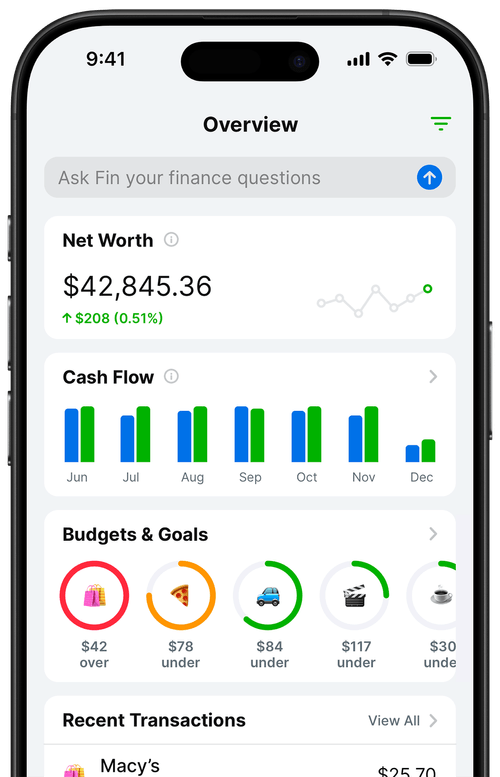
The most accurate baseline comes from looking backward. Pull 12 months of actual medical spending and calculate what a realistic monthly average looks like. That number is your starting budget target. Adjust it if you are anticipating a significant change in care this year, such as a planned surgery, a new prescription, or a new family member.
What other programs can help reduce healthcare costs?
Beyond choosing a plan and managing bills, several programs exist that can meaningfully reduce what you pay for healthcare.
Patient assistance programs. Most major pharmaceutical manufacturers offer assistance programs for patients who cannot afford their medications. These programs vary widely, but many provide name-brand drugs at low or no cost for qualifying individuals. NeedyMeds and RxAssist are two directories that aggregate these programs.
State marketplace subsidies. If you are purchasing insurance through the ACA marketplace and your income falls within the subsidy range, premium tax credits can significantly reduce your monthly premium. The eligibility rules and subsidy amounts change periodically, so check Healthcare.gov for current figures rather than relying on estimates from prior years.
Medicaid and CHIP. If your income qualifies, Medicaid provides comprehensive coverage with minimal out-of-pocket costs. CHIP covers children in families who earn too much for Medicaid but cannot afford private insurance. Eligibility varies by state.
Community health centers. Federally qualified health centers (FQHCs) provide primary care, dental, and behavioral health services on a sliding-fee scale based on income. They are an underutilized resource for people who are uninsured, underinsured, or between coverage periods. Find.hrsa.gov has a locator tool.
Flexible spending accounts. If your employer offers an FSA and you are not on an HDHP, contributing to an FSA reduces your taxable income and lets you pay for eligible medical expenses with pre-tax dollars. Unlike HSAs, FSA funds generally do not roll over, so contribute only what you expect to use within the plan year.
Frequently Asked Questions
Does a higher deductible always mean lower monthly premiums?
In most cases, yes. High-deductible health plans carry lower monthly premiums in exchange for a higher amount you pay before insurance kicks in. The tradeoff works in your favor if you are generally healthy and do not expect significant medical expenses in a given year. HDHPs also make you eligible for a health savings account, which adds a tax advantage that partially offsets the deductible risk.
Who qualifies to open a health savings account?
You can open an HSA only if you are enrolled in a qualifying high-deductible health plan and have no other health coverage (with a few exceptions). You cannot be enrolled in Medicare and cannot be claimed as a dependent on someone else's tax return. Check with your insurer or employer benefits coordinator to confirm your plan qualifies before opening an account.
Can I negotiate a medical bill after I receive it?
Yes, and it works more often than people expect. Hospitals and many private practices have financial assistance programs and are accustomed to billing negotiations. Call the billing department directly, explain your situation, and ask whether they offer a self-pay discount, a payment plan, or financial hardship assistance. Getting the bill itemized first lets you spot errors and gives you a specific number to negotiate from.
What is the difference between a copay, a deductible, and an out-of-pocket maximum?
A copay is a flat fee you pay for a specific service (such as $30 for a primary care visit) regardless of whether you have met your deductible. A deductible is the total you must pay for covered services before your insurer begins sharing costs. The out-of-pocket maximum is the most you will ever pay in a plan year. After hitting it, your insurer covers 100 percent of covered services for the rest of the year.
How do I know if a provider is in my insurance network?
Use your insurer's provider search tool on their website before booking any appointment. Call the provider's billing office to confirm they accept your specific plan, not just your insurer in general. Network status can change mid-year, so it is worth confirming even with providers you have seen before.