


Key takeaways
- Recovering financially after bankruptcy is possible, but the timeline is measured in years, not months. Realistic expectations prevent discouragement.
- The first concrete step is building even a small emergency fund before doing anything else, so future unexpected costs don't immediately become new debt.
- Rebuilding credit after bankruptcy starts with a secured credit card used for one or two recurring purchases, paid in full every month.
- A written budget is not optional during recovery. You need to know exactly where every dollar goes before you can make forward progress.
- The mental health toll of financial setbacks is real. Addressing it directly is part of the recovery, not separate from it.
If you're looking for how to recover financially after bankruptcy, the honest answer is that it takes longer than most articles admit, and it requires more structure than most people expect. Bankruptcy discharges debt and gives you breathing room, but it doesn't hand you a plan. That part is on you.
I've watched people come through Chapter 7 with a clean slate and end up in the same position within three years because they didn't change the underlying habits. And I've watched others rebuild a solid credit score and a funded emergency account within four years of a discharge, because they treated recovery as a project with concrete steps rather than a feeling to manage.
This article is the latter approach. Concrete steps, honest timelines, and no cheerleading.
What does bankruptcy actually do to your finances?
Bankruptcy is a legal process that either liquidates your assets to pay creditors (Chapter 7) or restructures your debt into a three-to-five year repayment plan (Chapter 13). When the process completes, qualifying debts are discharged, meaning creditors can no longer collect on them.
What bankruptcy does not do is remove the event from your credit report. A Chapter 7 filing stays visible for 10 years. A Chapter 13 stays for seven. During that window, lenders, landlords, and some employers can see it. Your credit score will take a significant hit immediately after filing, and rebuilding from that floor takes deliberate effort over multiple years.
The other thing bankruptcy doesn't fix is the behavior that contributed to the situation. This isn't a moral judgment. Most bankruptcies stem from a combination of medical debt, job loss, or divorce, often with some prior overspending mixed in. Whatever the cause, the financial habits and structure you build during recovery are what determine whether you land somewhere different this time.
What are the first financial steps after bankruptcy?
Before you think about rebuilding credit or growing savings, there are two foundational things to get right.
Get your actual numbers in front of you
Immediately after discharge, pull your credit reports from all three bureaus (Experian, Equifax, and TransUnion) at annualcreditreport.com. Check that discharged debts are marked correctly. Errors are common and they hurt your score for years if you don't dispute them promptly. This is unglamorous work, but it's one of the highest-return hours you'll spend in the early recovery period.
Create a bare-bones budget before anything else
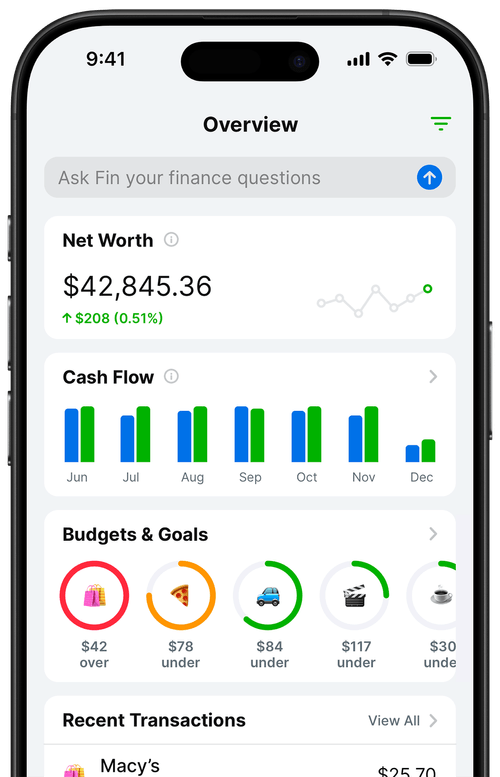
Write down your monthly take-home income. List every fixed expense: rent, utilities, insurance, any payments that survived the bankruptcy. Then account for variable necessities: groceries, transportation, and basic household supplies. Whatever remains is what you have to work with for savings and discretionary spending.
If income minus fixed expenses leaves nothing or goes negative, that's information you need immediately. It means your housing or other fixed costs are too high relative to your income, and no amount of frugality on groceries will fix a structural mismatch at that scale. Addressing that is step one before anything else.
How do you rebuild credit after bankruptcy?
Credit rebuilding after bankruptcy follows a predictable path, but it requires patience because the reporting cycle is slow. Here's what actually moves the needle.
Open a secured credit card
A secured card requires a cash deposit that becomes your credit limit, typically $200 to $500. You use it for one or two small recurring purchases each month (a streaming subscription, a tank of gas), and you pay the balance in full before the due date. That pattern reports as on-time payment activity every month, which is the single biggest factor in your credit score.
The discipline required is paying the full balance, not just the minimum. Carrying a balance on a secured card costs you interest and doesn't help your score meaningfully more than paying it off would. Full payment, every month, without exception.
Become an authorized user on a trusted account
If a family member or close friend with excellent credit is willing to add you as an authorized user on one of their older accounts, their payment history on that account gets added to your credit file. You don't need to use the card or even have access to it. This can accelerate score recovery noticeably. The caveat: it only helps if the account holder keeps their own record clean, so choose carefully.
Monitor your report every 90 days
Check for errors, for new accounts you didn't open (fraud risk), and to confirm that discharged debts are being reported accurately. Most credit card issuers now offer free credit score monitoring. Use it. You should never be surprised by your credit score during recovery.
How do you budget when money is tight during recovery?
Budgeting during financial recovery is less about optimization and more about awareness. Most people who end up in serious debt don't have a clear picture of their spending until after the damage is done. The budget's job during recovery is to make that picture impossible to avoid.
Track every transaction for at least 60 days
Before you can set reasonable budget targets, you need to know what you actually spend. Not what you estimate, but what the bank statements say. Sixty days of real data will reveal patterns that feel invisible until you see them written down: the subscription you forgot about, the restaurant spending that's higher than you thought, the irregular expenses that aren't really irregular.
Prioritize in this order
- Housing and utilities: keeping a roof over your head and the lights on is non-negotiable
- Food: basic groceries, not dining out
- Transportation: whatever gets you to work reliably
- Minimum debt payments: on any obligations that survived the bankruptcy
- Emergency fund contribution: even $25 a week adds up
- Everything else: reviewed and questioned before it stays in the budget
This ordering sounds obvious, but the mistake most people make during recovery is treating subscriptions and dining out as fixed costs rather than choices. They aren't fixed. Question everything in category six before you let it stay.
Use a zero-based structure
Assign every dollar of take-home income a purpose before the month begins. Income minus all assigned spending and saving should equal zero. This isn't about deprivation; it's about intentionality. Money without an assignment tends to disappear into spending you can't account for later.
How do you rebuild an emergency fund with almost nothing?
One of the cruelest financial traps is the cycle where a small unexpected expense becomes new debt because there's no buffer. Medical copay, car repair, an appliance failure: without a cash reserve, any of these forces a credit card charge or a personal loan, and the debt rebuilds before the credit does.
The standard advice is three to six months of expenses. That's the right long-term target, but during the early recovery period, the goal is simply to get to $500 to $1,000 before doing anything else with extra money. That amount won't cover a major emergency, but it covers the minor ones that derail most recovery attempts.
Practical ways to fund it faster
- Automate a small transfer on payday. Even $20 or $50 moved to a savings account before you see the full balance prevents the money from being spent by default.
- Sell what you don't use. Electronics, clothing, furniture, and tools you haven't touched in a year can turn into $200 to $500 fairly quickly through local resale or online marketplaces.
- Direct any windfalls to savings first. Tax refunds, gifts, and work bonuses should go entirely into the emergency fund until it reaches your initial target. There will be time to enjoy discretionary spending later.
- Keep it in a separate account. The emergency fund should not be in the same checking account you use daily. Friction between you and the money reduces the temptation to dip into it for non-emergencies.
How does financial recovery affect your mental health, and what helps?
Financial stress is one of the most persistent sources of anxiety and shame that exists, and bankruptcy intensifies it. People report feeling embarrassed in conversations about money, avoidant of their own financial situation, and prone to the kind of hopelessness that makes it hard to take the small daily actions that recovery actually requires.
A few things I've seen help consistently:
Name the shame directly. Bankruptcy carries stigma that isn't entirely fair. A large percentage of personal bankruptcies are driven by medical debt or income disruption, not recklessness. Separating the event from your identity as a person is not denial. It's accurate.
Make progress visible. When recovery feels slow, visible markers help. A simple chart showing your emergency fund balance growing from $0 to $200 to $600 is motivating in a way that abstract goals are not. Write it down somewhere you'll see it weekly.
Limit financial news consumption. Market volatility and economic anxiety headlines are not relevant to your immediate recovery plan. Engaging with them adds stress without adding useful information for your situation.
Talk to someone. Credit counseling from a nonprofit (look for agencies accredited by the National Foundation for Credit Counseling) is practical support, not charity. Many offer low-cost or free sessions. If the mental health burden is heavier, a therapist familiar with financial stress can provide structured support that friends and family often can't.
What mistakes set people back during financial recovery?
The most common ones I see are predictable, which means they're avoidable if you know to watch for them.
Taking on new debt too quickly. After bankruptcy, you'll receive credit card offers almost immediately. Some of them are legitimate tools for rebuilding. Many carry predatory interest rates designed for people who feel they have no options. Read terms carefully before opening anything.
Ignoring the budget once things start to feel okay. Recovery can generate a false sense of stability relatively early. A few months of on-time payments and a modest savings balance can make it feel safe to relax. That's exactly when people revert to the habits that caused the original problem. Keep the budget in place until you have a full six-month emergency fund and at least two years of consistent financial behavior behind you.
Skipping the credit report review. Errors on your credit report are more common than people realize, and they silently hurt your score for years. Build the habit of reviewing all three bureaus at least twice per year.
Making financial decisions in isolation. Major choices like whether to sign a new lease, take a second job, or open a credit account are worth running past a credit counselor or financial advisor before committing. A single bad decision during recovery can set you back twelve to eighteen months.
Frequently Asked Questions
How long does it take to recover financially after bankruptcy?
The timeline varies by person and type of filing. A Chapter 7 bankruptcy stays on your credit report for 10 years; Chapter 13 stays for seven. That said, many people see meaningful credit score improvement within two to three years of consistent on-time payments and low balances. Full recovery to a strong credit profile typically takes four to seven years.
Can I get a credit card after filing for bankruptcy?
Yes. Secured credit cards are widely available after bankruptcy. You deposit a set amount as collateral, and that becomes your credit limit. Used responsibly, a secured card is one of the fastest ways to start rebuilding your credit history. Avoid unsecured cards with very high interest rates that market specifically to people post-bankruptcy.
Should I file for bankruptcy or try another option first?
Bankruptcy should be a last resort. Before filing, explore debt consolidation, negotiating directly with creditors, nonprofit credit counseling, or a debt management plan. A bankruptcy attorney can help you understand which options apply to your specific situation and what the tradeoffs are.
How much emergency fund should I aim for after bankruptcy?
The long-term target is three to six months of essential living expenses. During early recovery, aim for $500 to $1,000 first. That initial buffer prevents small unexpected costs from immediately becoming new debt, which is the most common way recovery attempts stall.
Does bankruptcy affect my ability to rent an apartment?
It can. Some landlords run credit checks and may decline applicants with a recent bankruptcy. Being upfront about your situation, offering a larger deposit, or providing reference letters from employers can help. Smaller independent landlords are often more flexible than large property management companies.