


Key takeaways
- Managing finances as a couple works best when you build a system together rather than trying to change each other's habits.
- You don't have to combine everything. A hybrid approach (joint account for shared costs, individual accounts for personal spending) works well for most couples.
- A monthly budget check-in is the highest-leverage habit you can build. It replaces a dozen smaller, more stressful money conversations.
- Divide financial responsibilities based on interest and time, not just income. Whoever handles the bills should still share the full picture with the other partner.
- The biggest mistake couples make isn't overspending. It's avoiding the conversation until a real problem shows up.
Learning how to manage finances as a couple is one of the more underrated challenges of being in a long-term relationship. You're not just combining incomes and expenses. You're combining two completely different histories with money, two different risk tolerances, two different definitions of "necessary" spending, and probably two different emotional relationships with the number in a bank account. Most couples figure this out by accident, through conflict, or by ignoring it until something forces the conversation. There's a better way.
This isn't a guide full of generic advice about "communicating openly." I'll give you a concrete system: what structure to set up, how to run a monthly check-in, how to handle unequal incomes, and where most couples go wrong.
How to manage finances as a couple without constant conflict
Most money fights between couples aren't really about money. They're about values, fairness, control, and anxiety surfacing through the most convenient proxy available. The person who spends $200 on a hobby isn't irresponsible; they have a different priority. The person who monitors the checking account daily isn't controlling; they're anxious. When you understand what's underneath the behavior, the conversation changes.
That said, a good financial system reduces the number of individual judgment calls either partner has to make. When you've both agreed in advance that $150/month is the personal spending budget, there's nothing to argue about when someone spends $140 on concert tickets. The decision was already made together. Building the system is how you take most of the friction out of day-to-day money management.
The foundation is a shared understanding of your combined financial picture: total income, fixed expenses, debt obligations, and savings targets. Many couples have never actually sat down and looked at all of this together. If that's you, that's the first conversation to have. Not to judge what you find, just to know where you actually stand.
Should you combine finances or keep separate accounts?
There's no universal right answer here, and I'd push back on anyone who tells you otherwise. Combining everything works well for some couples. Keeping everything separate can work if you have a clear, agreed-upon system for shared expenses. The hybrid approach is what most couples end up with, and for good reason: it gives you a shared financial identity without sacrificing individual autonomy.
A common hybrid setup looks like this:
- Joint account: Rent or mortgage, utilities, groceries, insurance, shared subscriptions, and any shared savings goals. Both partners contribute to this account on a schedule (usually each paycheck).
- Individual accounts: Personal spending, individual subscriptions, gifts for each other, and anything that's yours alone. No justification required for how you spend this money.
- Shared savings or investment account: Emergency fund, vacation fund, down payment fund. Separate from the operating account so you don't accidentally spend it.
How much each person contributes to the joint account is a separate decision. Equal dollar amounts work when incomes are similar. Proportional contributions (each person puts in the same percentage of their take-home pay) work better when there's a meaningful income gap. Both are legitimate. What doesn't work is one partner silently subsidizing the other while privately resenting it.
How do you build a budget that works for two different money personalities?
The biggest mistake I see people make when budgeting as a couple is trying to build a shared budget the same way they'd build an individual one: from scratch, based on what you think you should spend. That produces aspirational numbers with no relationship to reality, and budgets built on aspirational numbers don't last.
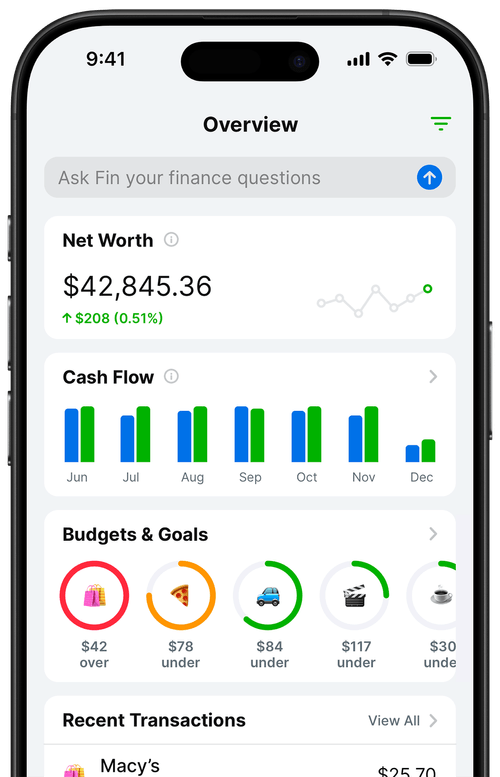
Start with actual spending. Pull three months of combined transaction history. Categorize everything. See what you actually spend on food, transportation, entertainment, subscriptions, clothing, and everything else before you set a single limit. Two people's spending combined will have a lot of fixed costs you can't change immediately (rent, car payments, existing subscriptions), and knowing that upfront shapes what's actually adjustable.
From there, build the budget in three layers:
- Fixed shared costs: Rent, utilities, insurance, loan minimums. These don't negotiate. Add them up and divide them by your contribution formula.
- Variable shared costs: Groceries, dining out, household supplies. Set a monthly target for each category based on your actual spending, not a number you pulled from a financial planning article.
- Individual spending budgets: Each partner gets a personal discretionary amount per month, equal or proportional depending on your preference. This is the no-questions-asked money. It's important. Without it, every personal purchase feels like it requires approval, which breeds resentment fast.
Review the whole budget together and adjust until it feels fair to both people. "Fair" doesn't always mean "equal." It means both partners can look at the numbers and say, honestly, that they're okay with them.
How do you set shared financial goals as a couple?
Short-term and long-term goals deserve separate conversations, because they require different kinds of decisions. Short-term goals (a vacation fund, paying off a credit card, replacing an appliance) are concrete and achievable within a year or two. Long-term goals (buying a house, building a six-month emergency fund, retirement) involve bigger numbers and longer timeframes where priorities can shift.
For short-term goals, get specific. "Save for a vacation" is not a goal. "Save $3,000 for a trip to Portugal in October, which means putting $375 per month into the vacation account starting now" is a goal. The more concrete the target and timeline, the easier it is to build into the monthly budget.
For long-term goals, start with alignment rather than planning. Do you both actually want to buy a house, or does one person want it and the other is going along? Do you have similar retirement expectations? These questions are more uncomfortable to ask, but finding out the answers early saves an enormous amount of conflict later. Goals you've both genuinely committed to are far more likely to survive a rough month than goals one person quietly resents.
Write your goals down with a target amount, a monthly contribution, and a target date. Revisit them at your quarterly financial review. Life changes, and goals should be allowed to change with it.
How should you divide financial responsibilities?
Divide based on interest and capacity, not income. The idea that whoever earns more should manage the money is one of the more persistent myths in couples' finance. Managing household money well requires time, attention, and a certain kind of patience with details. It has nothing to do with earning power.
A practical split looks something like this:
- One partner handles operations: Paying bills, monitoring the checking account, catching subscription creep, flagging when a category is running over budget. This is the week-to-week execution layer.
- Both partners handle strategy: Monthly budget review, goal-setting, big purchase decisions, any changes to the savings plan. Neither partner should be making major financial decisions unilaterally.
The partner who isn't handling day-to-day operations should still have full visibility. That means access to all accounts, awareness of where the money is going, and genuine participation in the monthly review. Financial blind spots are a risk for both partners. If one person is completely disengaged from the household finances and something happens (job loss, medical emergency, or the relationship ending), the consequences fall much harder on the person who wasn't paying attention.
How often should couples review their budget together?
Monthly is the minimum, and it doesn't have to take long. A well-run monthly check-in takes 20 minutes if you both come prepared. Here's the structure I'd suggest:
- Review last month's spending by category. Identify anything that ran significantly over or under budget.
- Note any irregular expenses coming next month (annual subscriptions, car registration, medical appointments, seasonal costs) and budget for them explicitly.
- Confirm progress toward shared savings goals.
- Raise anything either partner has been thinking about but hasn't said: a potential purchase, a financial concern, or a goal that needs to change.
Keep the tone diagnostic, not judicial. The point isn't to assign blame for an overage in the restaurant budget. It's to understand what happened and decide together whether to adjust the budget or the behavior going forward. Monthly check-ins only work if both partners feel safe bringing up problems without the conversation turning into a fight.
In addition to the monthly review, many couples benefit from a brief weekly check: just five minutes to confirm upcoming bills, flag anything unusual, and stay loosely aligned. This prevents small surprises from compounding into big ones.
What are the biggest mistakes couples make with money?
Most of the common mistakes come back to avoidance. The couple who hasn't added up their combined debt because they're afraid of what they'll find. The partner who's been quietly paying for shared expenses out of their personal account and hasn't said anything. The financial goal that's been on the list for two years but nobody's opened the investment account yet.
Here are the specific patterns that tend to cause the most damage:
- No personal spending money: When every purchase feels like it needs approval, people either ask permission constantly (which creates friction) or hide purchases (which creates distrust). Build individual discretionary budgets from the start.
- Unequal visibility: One partner handles everything and the other has no idea what's in the accounts or where the money goes. This creates dependence and risk for both people.
- Aspirational budgets that don't match real spending: When the budget is too aggressive, it fails silently. Nobody admits it isn't working, and resentment builds around the gap between the plan and reality.
- Skipping the money conversation before moving in or getting married: Understanding each other's debt, credit history, income, and financial habits before combining finances is far easier than untangling surprises afterward.
- Treating financial disagreements as character flaws: The partner who wants to spend more isn't irresponsible. The partner who wants to save more isn't joyless. These are values differences, and they're negotiable when approached with curiosity instead of judgment.
None of these mistakes are fatal. All of them are fixable. The fix is usually the same: a direct, non-judgmental conversation where both people are actually listening, followed by a concrete change to the system.
Frequently Asked Questions
Should couples combine all of their finances?
Not necessarily. Many couples use a hybrid approach: a joint account for shared expenses like rent, groceries, and utilities, plus individual accounts for personal spending. The structure matters less than having a clear, agreed-upon system both partners understand and feel good about.
What if one partner earns significantly more than the other?
Two approaches work well here. Proportional contributions (each partner puts in the same percentage of their take-home pay) keep things equitable across different income levels. Or you can split fixed bills equally and keep variable personal spending separate. The key is agreeing on what feels fair to both people rather than defaulting to a 50/50 split that ignores a meaningful income gap.
How do couples handle different spending styles?
Build individual spending money into the shared budget. Each partner gets a set discretionary amount per month with no questions asked. This preserves personal autonomy without hiding spending from each other, and it removes the approval dynamic that causes so much friction.
How often should couples review their budget together?
Monthly is the minimum. A short check-in of 15 to 20 minutes to review the previous month's spending and plan the next month catches problems before they compound. Many couples also do a brief weekly check on upcoming bills and irregular expenses to avoid surprises.
What if one partner has significant debt coming into the relationship?
Pre-existing debt doesn't automatically become shared debt, but it does affect how much either person can contribute to shared goals. Talk about the payoff plan early, agree on a timeline, and factor it into your joint budget explicitly. Pretending it isn't there only delays a harder conversation.