


Key takeaways
- Start by building a complete cost estimate for your trip, including a 10 to 15 percent buffer for unexpected expenses.
- Divide your target by the number of months until you travel to get your monthly savings number.
- Automate the transfer to a separate account so the money is gone before you can spend it.
- Reduce two or three specific expenses rather than trying to eliminate all discretionary spending at once.
- A sinking fund keeps your vacation money separate from emergency savings and routine spending.
If you want to know how to save money for a vacation without just hoping the numbers work out, the answer starts with a real dollar target and a monthly contribution that fits your actual budget. Most vacation savings advice skips the mechanics. This article does not.
I've saved for trips ranging from a long weekend to a two-week international trip, and the process is essentially the same each time: pick a number, reverse-engineer a monthly amount, automate the transfer, and then identify a handful of specific cuts to make it work. The rest is patience.
How much does a vacation actually cost?
Before you can save for a trip, you need a number to save toward. Vague goals don't produce results. "I want to go to Italy someday" is not a plan.
Research real prices for your intended destination, dates, and travel style. A realistic vacation budget includes:
- Flights or transportation: Check actual fares for your dates and preferred airports. Look at two or three date ranges to spot patterns.
- Accommodation: Price out the type of stay you actually want, whether that's a hotel, vacation rental, or hostel, for the number of nights you're planning.
- Ground transportation: Rental cars, trains, taxis, or transit passes. These add up faster than most people expect.
- Food and drinks: A rough daily estimate based on your eating habits and where you're going. A week in Tokyo eats differently than a week in Portugal.
- Activities and admission: Any tours, parks, museums, or experiences you're planning. Research specific costs rather than leaving this as a vague "spending money" line.
- Travel insurance: Worth including, especially for international trips or anything with nonrefundable bookings.
- Buffer (10 to 15 percent): Add this on top of everything. Unexpected costs are not the exception on vacation; they're the rule.
Once you have a total, that's your target. Write it down.
How to set a vacation savings target that works
Saving money for a vacation gets a lot easier once you convert a lump sum into a monthly number. The math is straightforward: divide your total cost by the number of months until you travel.
If your trip will cost $3,000 and you're leaving in twelve months, you need to save $250 per month. If you're leaving in six months, it's $500 per month. If $500 isn't realistic given your current income and fixed costs, you have three options: extend your timeline, reduce the trip cost, or find ways to increase the monthly contribution.
There's no shame in adjusting the trip to fit what's actually achievable. A trip you can pay for without going into debt is worth more than a trip you're still paying off two years later.
One note on timing: starting earlier makes a meaningful difference. Twelve months of $250 contributions is much less painful than six months of $500 contributions, even though the total is identical. Time is the easiest lever you have.
How does a sinking fund work for vacation savings?
A sinking fund is a dedicated savings category for a specific future expense. You set aside a fixed amount each month into a separate account, watch it grow toward your goal, and draw it down when the expense arrives.
For vacation savings, this means opening a separate savings account just for the trip, naming it something specific (like "Portugal 2027"), and treating contributions to it as a fixed monthly expense rather than something you do with whatever's left over at the end of the month.
The separation matters. When your vacation money sits in your main checking account, it's psychologically available to spend on anything. When it's in a dedicated account with a named purpose, it feels off-limits, because it is. This is a small behavioral nudge that has a large practical effect.
A high-yield savings account is worth considering for the vacation fund if your trip is six months or more away. The interest rate on a standard savings account is negligible. A high-yield account at a competitive bank can earn meaningfully more over several months, and the money stays liquid so you can access it when you're ready to book.
How to automate your vacation savings
The single most effective change you can make to your vacation savings plan is automating the contribution. Set up a recurring transfer from your checking account to your vacation savings account, timed to run one or two days after your paycheck lands.
This removes willpower from the equation. You don't have to decide each month whether you have "enough" left over to save. The transfer happens before you have a chance to spend the money elsewhere.
If you get paid biweekly, splitting the contribution across two smaller transfers often feels easier than a single large one. The timing flexibility is part of what makes automation work; you can structure it around your actual pay schedule rather than forcing your pay schedule to fit your savings plan.
Review the automation once, then leave it alone. Every time you manually evaluate whether to skip a month, you're reintroducing the friction that automation was designed to eliminate.
How to cut expenses without feeling like you're living on nothing
The advice to "cut unnecessary expenses" is so general it's useless. Everyone already knows they could theoretically spend less on coffee. What's useful is identifying two or three specific things to reduce so that you're not trying to white-knuckle your way through blanket austerity.
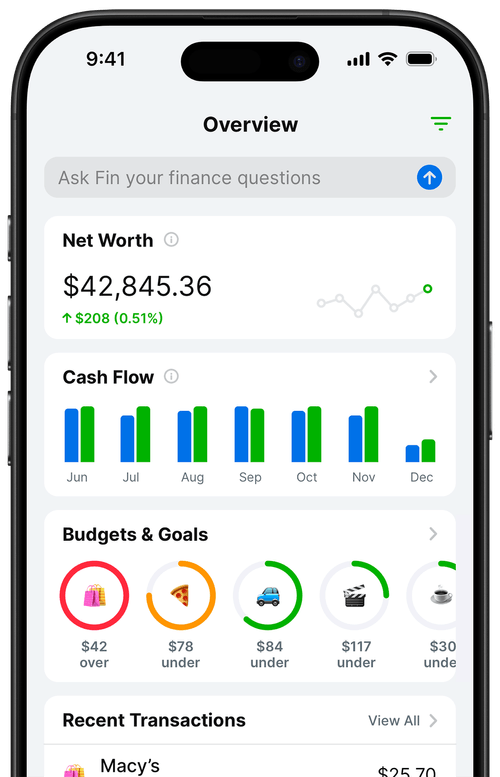
Look at your spending by category over the last 60 to 90 days. Where does your money actually go? The answer is almost always different from what you'd guess without looking. From that review, find two or three categories where you're spending more than you realized and more than you need to.
Common candidates:
- Subscriptions you've forgotten about or barely use
- Dining out on weeknights when you intended to cook
- Impulse purchases in a specific category (clothing, home goods, apps)
- Convenience spending that has crept up over time (delivery fees, single-serve coffee, last-minute purchases)
Pick the categories that feel most adjustable without feeling like punishment, and redirect that freed-up money directly into the vacation fund. The point is not to eliminate all discretionary spending. It's to find a sustainable reduction that you can maintain for several months without abandoning the plan.
Keep the cuts targeted. If you try to change everything at once, you'll likely change nothing for long.
How to earn extra money specifically for your trip
If your monthly contribution to the vacation fund is already as high as your budget allows, additional income is the other lever. A few approaches that work without requiring a permanent commitment:
Sell what you're not using. Most households have unused electronics, furniture, clothing, or gear that could convert directly into travel money. A single weekend of selling can add hundreds of dollars to the fund without changing your ongoing budget at all.
Take on one-time freelance work. If you have a marketable skill, a short project or two is one of the faster ways to generate a meaningful contribution. Even one small project at your hourly rate can add a month's worth of savings.
Redirect windfalls. Tax refunds, bonuses, cash gifts, and any other unexpected income should have a plan before they arrive. Deciding in advance that a portion goes to the vacation fund keeps you from spending it before you've thought about it.
Adjust your tax withholding. If you consistently get a large tax refund, you're giving the government an interest-free loan all year. Adjusting your withholding to get more in each paycheck and contributing that difference to the vacation fund each month produces the same year-end result with better timing.
How to save money on the trip itself
The savings work doesn't stop when you buy the plane tickets. A few decisions during the planning phase can meaningfully reduce what the trip actually costs:
Flexibility on dates. If you can shift your travel by a week in either direction, flight prices often drop significantly. Midweek departures and returns are usually cheaper than weekend travel. The same applies to accommodation rates.
Book accommodation early for peak periods, later for off-peak. High-demand dates fill up and prices rise as availability shrinks. Off-peak periods often see last-minute discounts as properties try to fill empty rooms. Know which applies to your destination and time of year.
Research free and low-cost activities in advance. Most destinations have free museums, parks, markets, walking neighborhoods, and cultural events that cost nothing or close to it. Finding these before you leave means you don't end up paying for expensive alternatives just because you didn't know about the free options.
Consider travel credit card rewards. If you have a credit card that earns travel points and you pay it off in full each month, using it for your regular spending in the months before your trip can generate meaningful rewards toward flights or hotels. This is only useful if you're not carrying a balance; the interest on an unpaid balance will always outrun the rewards.
Build in a daily spending limit. On the trip itself, knowing your daily budget for food and incidentals keeps you from arriving home to a credit card bill that undoes the savings work you put in. This doesn't mean tracking every coffee obsessively; it means having a rough number in mind and checking in every couple of days.
Frequently Asked Questions
How far in advance should I start saving for a vacation?
Six to twelve months is a good target for most domestic trips. International travel with flights and hotels typically benefits from twelve months or more. The earlier you start, the smaller each individual contribution needs to be, which makes the plan easier to maintain without disrupting your regular budget.
How much should I budget for a vacation?
Add up flights, accommodation, ground transport, food, activities, travel insurance, and a buffer of about 10 to 15 percent for unexpected costs. Research real prices for your destination rather than estimating, since costs vary widely by location, season, and travel style. A quick search for actual fares and hotel rates takes less than an hour and prevents significant under-saving.
What is a sinking fund and how does it work for vacation savings?
A sinking fund is a dedicated savings category for a specific future expense. You divide the total cost by the number of months until your trip and set that amount aside each month in a separate account. It keeps vacation money separate from your emergency fund and day-to-day spending, which makes it less tempting to redirect toward other expenses.
Should I use a high-yield savings account for my vacation fund?
Yes, if your trip is six months or more away. High-yield savings accounts earn meaningfully more than standard accounts and still keep your money accessible. Avoid accounts that lock up funds with penalties; you want flexibility in case plans change or you need to adjust your booking timeline.
What is the 50/30/20 rule and can it help me save for a trip?
The 50/30/20 rule allocates 50 percent of income to needs, 30 percent to wants, and 20 percent to savings. Your vacation fund would come from either the savings category or a reduction in your wants category. The rule is a useful starting framework, not a rigid formula. Adjust the percentages to fit your actual income and fixed obligations.
Can I save for a vacation without cutting everything I enjoy?
Yes. The most sustainable approach is identifying two or three specific expenses to reduce rather than trying to eliminate all discretionary spending at once. Targeted cuts are easier to stick with for months at a time than blanket austerity. The goal is a plan you'll actually follow, not a plan that looks perfect on paper.