


Key takeaways
- The single highest-leverage move is order selection: aim for at least $2 per mile, with a minimum payout above $7.
- Timing matters more than most drivers expect. Breakfast and late nights are underserved by drivers and often reward patience.
- Your acceptance rate does not need to stay above 70% to earn well; declining low-paying orders is a rational strategy.
- Tax deductions for mileage, equipment, and a portion of your phone bill can meaningfully reduce your net tax bill.
- Restarting the app between dashes and scheduling ahead in competitive zones both have a real effect on order volume.
If you want to know how to make more money on DoorDash, the official documentation is not going to get you there. The platform will tell you to be friendly, to stay in busy areas, and to keep your acceptance rate high. That advice is not wrong, exactly, but it leaves out the strategies that actually separate a $12-per-hour driver from one clearing $22. The difference comes down to order selection, timing, expense tracking, and a few habits around the app itself.
How to make more money on DoorDash: what the platform doesn't tell you
DoorDash is a gig platform, and like most gig platforms, it presents a friendlier picture of earnings than the math often supports. Before you can improve your numbers, it helps to understand what you're actually working with.
Your gross earnings from the app include base pay, promotions, and tips. What the app does not subtract for you: fuel, vehicle wear, self-employment taxes (roughly 15.3 percent on net profit), and the time you spend waiting or repositioning without an active order. Once you account for those, your effective hourly rate can be significantly lower than your dashboard suggests.
The drivers who earn well treat it like a business. They know their cost per mile, they track every business expense for tax time, and they are selective about what they accept. None of that requires a complex system. It just requires paying attention to the numbers that actually matter.
How do DoorDash tax deductions work for delivery drivers?
As a DoorDash driver, you're classified as an independent contractor, which means you're responsible for your own taxes and you get access to business deductions that W-2 employees don't. Used correctly, those deductions can reduce your taxable income by a meaningful amount.
The biggest deduction is mileage. For 2024, the IRS standard mileage rate is 67 cents per mile for business use. If you drive 10,000 miles in a year on deliveries, that's a $6,700 deduction. Alternatively, you can deduct actual vehicle expenses (fuel, repairs, maintenance, insurance), but you need to track them carefully and calculate the business-use percentage. Most drivers find the standard mileage rate simpler and often comparable in value.
Beyond mileage, deductible expenses include:
- Equipment: insulated hot bags, phone mounts, and courier bags purchased for the job
- A portion of your phone bill: the percentage used for running the dasher app and navigation
- Specialized delivery insurance: if your personal auto policy doesn't cover gig work, a rideshare or delivery rider typically does
- Parking fees incurred during deliveries
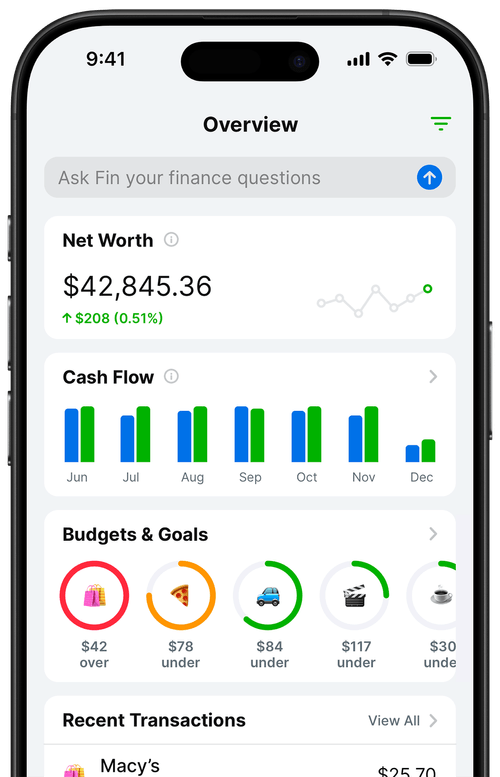
The catch is that none of this saves you anything if you're not tracking it. Receipts disappear, mileage logs don't write themselves, and most drivers realize at tax time that they've lost track of months of deductible expenses. Tracking every business expense throughout the year, not in a scramble in April, is how you actually capture these deductions.
When should you dash to maximize your hourly earnings?
The best time to dash is not simply "when restaurants are busiest." It's when there's high customer demand relative to driver supply. Those two variables move independently, and understanding both is what determines whether a given time slot is actually worth your time.
Breakfast (6 AM to 9 AM) is consistently underserved by drivers. Most dashers don't want to start that early, which means less competition and a higher likelihood of getting each order request. If you're an early riser, morning hours can outperform dinner rush on a per-order basis.
Lunch (11 AM to 1 PM) is moderately busy. Office-area zones tend to outperform residential areas during this window, since workers ordering in represent concentrated demand.
Dinner (5 PM to 9 PM on Fridays and Saturdays) is the peak period for both demand and driver competition. It's still worth dashing during these hours, but you'll need to schedule in advance for competitive markets to hold your spot. If you go in without a scheduled dash in a saturated area, you may spend more time waiting than delivering.
Late night (10 PM to 2 AM) performs well in dense urban markets. Tips tend to be higher during late-night orders, and fewer drivers are competing. This time slot is harder to sustain over the long term, but it's worth testing in your specific market.
One practical note: the DoorDash app lets you see when an area is greyed out, meaning it's temporarily at driver capacity. If your regular zone keeps showing as grey during peak hours, that's a signal the market is saturated and you might find better earnings in an adjacent area or at a different time.
Which DoorDash orders are worth accepting, and which should you skip?
Order selection is where most of the earnings leverage lives. The single clearest rule: aim for at least $2 per mile, with a total payout above $7. Orders that fall below that threshold typically aren't worth the fuel, time, and wear they cost you.
A few categories that consistently underperform:
- Grocery runs. Item volume is unpredictable, bagging takes time you're not paid for, and the total mileage per dollar tends to be low. Skip these unless the payout is well above your threshold.
- Fast food drive-throughs. You have no control over wait time, and you're stuck in a queue that can run 15 to 20 minutes on a busy evening.
- Orders that take you far from active zones. You get paid for the delivery, not for driving back. A $12 order that takes you 8 miles out of position might net you far less per hour than it appears.
The acceptance rate question comes up constantly: do you need to maintain 70% to keep access to Top Dasher benefits? For most markets and most drivers, no. The Top Dasher program guarantees the ability to dash without a schedule, which is valuable in some situations, but the earnings benefit rarely compensates for the time spent on bad orders. Experienced drivers routinely maintain acceptance rates in the 30 to 50 percent range and earn more per hour than drivers chasing the 70% threshold.
One habit worth building: start your dash 10 minutes before you actually need to leave. Orders that have been declined multiple times by other drivers get recycled and can show up fresh on your screen. You'll occasionally decline the same low-pay order that's been sitting for 20 minutes, but knowing that context helps you make faster decisions.
How does scheduling your dashes in advance help your earnings?
In competitive markets, you'll notice the DoorDash app greys out areas during peak hours, indicating they're temporarily at capacity. Once an area is grey, you can't start a dash there unless you scheduled one in advance. This is where pre-booking becomes a concrete earnings tool, not just a nice-to-have.
The app lets you schedule dashes up to six days ahead. If you know you want to work the Friday dinner rush in a specific zone, booking it on Monday locks you in. When the zone fills up and goes grey for everyone else, your scheduled dash is already confirmed.
This matters most in high-density urban markets where driver competition is steepest. In suburban or rural areas with consistent availability, scheduling has less impact. But if you've ever opened the app at 5:30 PM on a Saturday and found your preferred zone unavailable, scheduling is the fix.
What app habits actually affect how many orders you receive?
A few technical habits have a real effect on order volume, and they're easy to overlook because they feel too simple to matter.
Restart the app between dashes. This is well-documented among experienced drivers: reconnecting to the app after completing a delivery increases the likelihood of receiving new orders quickly. DoorDash support confirms that your dash is registered server-side, so a restart doesn't lose any progress. The practical habit is to restart after each delivery and again every few minutes while waiting for the next order to come in.
Position yourself near multiple restaurants, not outside one. Waiting directly outside a specific restaurant does not increase your odds of receiving their orders. DoorDash assigns orders to drivers within a two- to three-mile radius. A parking spot near a cluster of restaurants gives you a faster response time to any of them, which matters for your completion rate and customer satisfaction.
Use multiple delivery apps strategically. Experienced drivers sometimes run Uber Eats, Grubhub, or Instacart in parallel with DoorDash. The highest-value version of this is accepting an order from a second platform for a restaurant where you're already picking up a DoorDash order. Two platforms, one stop, two payouts. The risk is real: if you misjudge the timing and a delivery goes late on either platform, your ratings take the hit. This strategy is for drivers who already know their market and their pacing well.
How do customer tips factor into DoorDash pay, and how do you influence them?
Tips are a significant portion of actual earnings. DoorDash allows customers to tip before and after delivery, and the post-delivery adjustment window means your service quality has a measurable dollar value.
A few practices that consistently lead to better tips:
Follow the delivery instructions exactly. If a customer asks you not to knock, don't knock. If they specify a drop-off location, use it. These instructions are usually low-stakes, and following them signals reliability. The customers most likely to adjust a tip upward are the ones who notice the details.
Send brief updates. You don't need to write paragraphs. A message when you arrive at the restaurant and an estimated arrival time once you're en route covers most situations. Customers who know their order is coming and roughly when feel more satisfied with the experience overall.
Keep hot and cold items separate. Delivering melted ice cream or lukewarm soup is the fastest path to a negative review. Separate insulated bags for hot and cold items are a deductible business expense and a practical investment in your ratings.
Present well. Clean, presentable clothing matters more than it seems. You don't need a uniform, but clothing with divisive graphics or slogans introduces friction you don't need. A neutral, neat appearance is worth the small effort.
One thing that's easy to overlook: DoorDash's pay model starts orders at a lower base and raises it if the order goes unclaimed. By declining low-paying orders, you and other drivers create upward pressure on base pay for those orders. It's a small collective effect, but it's real, and it's another reason why selective acceptance is rational rather than shortsighted.
Frequently Asked Questions
How much can you realistically earn per hour on DoorDash?
Most drivers report $15 to $25 per hour after expenses during busy periods. Earnings vary by market, time of day, and how selectively you accept orders. Drivers who track expenses and decline low-paying orders consistently land at the higher end of that range.
Does your DoorDash acceptance rate affect your pay?
Acceptance rate does not affect base pay or order frequency in any meaningful way for most drivers. The Top Dasher program requires a 70% acceptance rate, but the earnings benefit rarely outweighs taking low-paying orders to maintain it. Selective acceptance is the better earnings strategy for most markets.
What is the best time to DoorDash for maximum earnings?
Dinner hours from 5 PM to 9 PM on Fridays and Saturdays are consistently the busiest. Breakfast from 6 AM to 9 AM is underserved by drivers and can be profitable with less competition. Late-night hours after 10 PM work well in dense urban markets where tips tend to run higher.
Can DoorDash drivers deduct mileage on their taxes?
Yes. As an independent contractor, you can deduct business mileage at the IRS standard mileage rate (67 cents per mile for 2024). You can alternatively deduct actual vehicle expenses. Keep a mileage log throughout the year, not just at tax time, to capture the full deduction.
Is it worth using multiple delivery apps at the same time?
It can be, but only for experienced drivers who can manage two order windows without causing late deliveries. New drivers should focus on one platform until they know their market well. Late deliveries hurt ratings on both apps and can offset the income gain.
How do you avoid getting bad orders on DoorDash?
Aim for orders that pay at least $2 per mile, with a minimum total above $7. Decline grocery runs with unpredictable item volumes, orders requiring long drive-through waits, and deliveries that take you far from active restaurant zones. Starting your dash 10 minutes early helps you avoid recycled low-pay orders.