


Key takeaways
- Most people have 10 to 20 percent of monthly spending in categories they do not actually value. Finding it requires looking at real data, not guessing.
- Frugal living is about intentional spending, not deprivation. Cutting what you do not care about frees up money for what you do.
- Subscriptions and recurring charges are the fastest wins: they are easy to cancel and produce immediate, automatic savings every month.
- Food is usually the largest discretionary category. Meal planning and cooking at home are the single highest-return habit change for most households.
- A personal spending allowance is not optional. Without one, most people blow the whole budget on a bad week.
If you want to cut monthly expenses without watching your quality of life erode in the process, the place to start is not a list of sacrifices. It is a list of what you are actually spending on right now. Most people I talk to have a rough sense of their big costs (rent, car, groceries) and almost no idea what the rest of the month looks like. That gap is where the opportunity lives.
This is not about living on rice and discipline. It is about making deliberate choices: identifying the spending that produces genuine satisfaction and protecting it, while cutting what is just friction, habit, or inertia. When you do that work honestly, you usually find there is more room to breathe than you expected.
What does frugal living actually mean?
Frugal living gets a bad reputation because most people conflate it with being cheap. Cheap means spending less regardless of quality or consequence. Frugal means spending intentionally: you decide in advance what is worth your money, and you stop paying for everything that is not on that list.
The distinction matters practically. A cheap person buys the lowest-cost version of everything and ends up replacing items more often, eating food they do not enjoy, and generally making life worse in small ways that compound. A frugal person might spend $200 on a good pair of shoes they wear for five years, while canceling four streaming subscriptions they were not using. The total outlay is lower and the satisfaction is higher.
Frugal living also does not require a particular income level to practice. It is useful whether you are trying to pay off debt, build an emergency fund, or just feel less anxious about money at the end of each month. The habits scale to your situation.
Where does your money actually go each month?
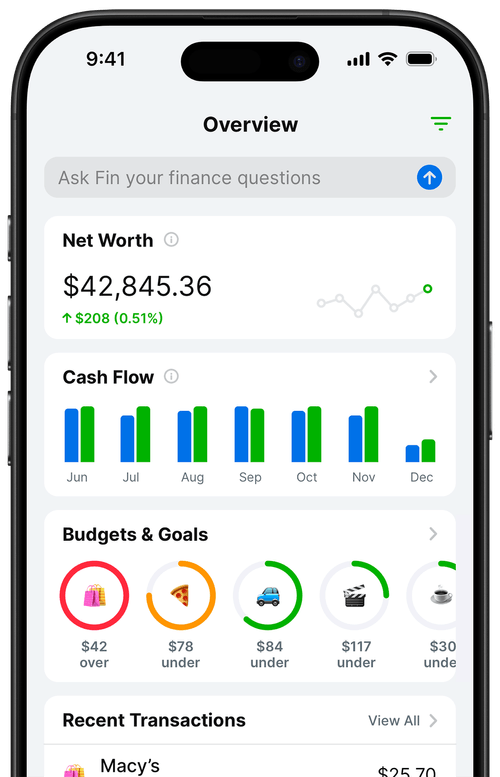
Before you can cut monthly expenses in any meaningful way, you need a clear picture of where the money is going now. Not a guess. Not a rough estimate based on what feels true. Actual numbers from the past 30 to 60 days.
Most people are surprised by this exercise. The categories that feel small, like coffee, convenience purchases, and takeout orders on tired evenings, often add up to more than the categories that feel significant. A $6 purchase four times a week is $100 a month. Three streaming services you rotate through is $45. A gym membership you joined in January is $55. None of these feel like problems in isolation. Together they are $200 a month in spending you could cut without noticing.
The most useful thing you can do at this stage is categorize everything, not just flag the obvious offenders. Housing, groceries, utilities, and transportation are fixed or near-fixed. Dining out, entertainment, shopping, and subscriptions are where discretionary choices live. Once you can see the full picture by category, it becomes much easier to decide what stays and what goes.
Run this exercise for two full months if you can. One month can be misleading: a birthday, a car repair, or a seasonal purchase will distort the picture. Two months give you a more honest baseline.
How can you cut monthly expenses starting with subscriptions?
Subscriptions are the easiest place to start cutting because canceling them is painless and the savings show up automatically every month. You do not have to change any behavior: you just stop paying for something you were not using.
Go through your bank and credit card statements and flag every recurring charge. Include the obvious ones (streaming, music, news) and the less obvious ones (app subscriptions, cloud storage tiers, premium memberships you signed up for once to get a discount). For each one, ask a single question: did I use this in the past 30 days, and was it worth the cost?
A few categories worth scrutinizing:
- Streaming services: Most households have three or more. You almost certainly do not watch all of them consistently. Cancel two, keep one, and rotate when there is something you want to watch.
- App and software subscriptions: These pile up quietly. A project management app you tried, a language learning service you used for a week, a premium tier you upgraded to during a trial. Cancel anything you have not actively used in 60 days.
- Gym memberships: If you are going, great. If you are not, a $50 monthly membership is one of the most expensive forms of optimism available. Cancel it and find free alternatives: walks, bodyweight workouts, a community recreation center.
- Subscription boxes: These are fun for the first few deliveries and then become clutter. If you are not opening the box with genuine anticipation, cancel it.
After one sweep through subscriptions, many people find $50 to $150 in monthly savings with almost no lifestyle impact. That is $600 to $1,800 a year.
How much can you save by changing your food habits?
Food is usually the largest discretionary category in a household budget, and it is also one of the most emotionally loaded. People feel guilty about spending on food but also feel like they deserve to eat well after a hard week. Both things can be true, but the guilt and the spending often do not line up with what you actually enjoy.
Eating out frequently and ordering delivery are expensive not just in base cost but in all the fees and tips layered on top. A $15 restaurant lunch with a drink becomes a $25 total once you include tax, tip, and any convenience fees. Cooking the same meal at home costs roughly $4 to $6 per person. Over a five-day work week, that gap is $100. Over a month, it is $400.
Meal planning is the most effective intervention here, and it does not require elaborate preparation. Pick five to seven dinners for the week before you shop, make a list, and buy only what is on it. The planning step eliminates the 6:00 PM decision fatigue that leads to takeout. It also reduces waste, and that is a real cost. The average household throws away a meaningful fraction of the groceries they buy, mostly produce that was bought with good intentions and not used before it spoiled.
A few habits that produce consistent food savings without feeling like punishment:
- Cook once, eat twice. Make larger portions at dinner and take leftovers for lunch. This eliminates the lunch-buying habit without requiring extra cooking time.
- Buy staples in bulk. Rice, lentils, pasta, canned goods, and frozen vegetables are all significantly cheaper per unit when bought in larger quantities. These are also the base of most inexpensive, satisfying meals.
- Protect one splurge. Frugal eating is easier to maintain when you deliberately keep one food indulgence: a good coffee, a weekly dinner out, a particular ingredient you enjoy. The goal is not austerity; it is intention.
- Check the store brand. For most staple categories (canned tomatoes, pasta, butter, flour, cleaning products) the store brand is identical in quality and meaningfully cheaper.
Does buying secondhand and doing things yourself actually add up?
For certain categories, the savings from buying secondhand are not marginal. They are substantial. Furniture, clothing, tools, kitchen equipment, and small appliances can often be found in excellent condition for 30 to 70 percent less than retail through thrift stores, Facebook Marketplace, or neighborhood buy-nothing groups.
The categories where secondhand makes the most sense are ones where condition is easy to assess in person and where the item does not need to be new to function well. A solid wood bookshelf is the same bookshelf whether it is new or used. A dining table does not depreciate in usefulness. Clothing from a quality brand holds up well even after previous ownership.
The categories where secondhand makes less sense include anything with safety implications (car seats, helmets, certain power tools), mattresses, and items where wear affects performance in ways that are hard to verify. Use judgment, not ideology.
On the DIY side, the calculus depends on your time and skill level. Basic home repairs, minor car maintenance, and simple cooking projects can save real money and are worth learning. But time has value, and there is a point where hiring someone is the right call. The frugal choice is not always the one that involves doing everything yourself. It is the one that produces the best outcome for your overall situation.
How do you build a budget that does not collapse after two weeks?
Most budgets fail because they are built on aspiration rather than actual spending patterns. Someone decides they will spend $300 on groceries because that seems reasonable, but their real baseline is $480. The first month they overshoot, feel like they failed, and abandon the whole exercise.
A better approach: start by tracking what you actually spend for a full month before you set any limits. Use that data as your baseline. Then look at each category and decide where you want to spend less, not where you think you should spend less. The difference matters. "I want to" comes from a place of motivation. "I should" comes from a place of shame, and shame is not a durable motivator.
A few structural choices that make budgets stick:
- A personal spending allowance is non-negotiable. Give yourself a fixed amount each month that you can spend on anything, no questions asked. When that is built in, you have a release valve. Without it, one weak moment can unravel weeks of discipline.
- Review weekly, not monthly. A monthly review means you do not catch problems until it is too late to adjust. A ten-minute weekly check-in keeps you calibrated in real time.
- Build in a buffer. Life produces irregular expenses constantly: a medical copay, a car repair, a last-minute flight. A budget with no slack will always feel broken. Budget $50 to $100 a month for "unexpected" expenses, because they are not actually unexpected, they are just unpredictable in their specific form.
- Automate savings before you can spend them. If reducing expenses is connected to a savings goal, set up an automatic transfer to a separate account on payday. Money you never see in your checking account is money you do not spend.
The goal is a budget that reflects your real life, gives you agency within it, and does not require white-knuckling every purchase. That kind of budget can last years. A punishing one lasts weeks.
Frequently Asked Questions
How much can I realistically cut from my monthly expenses?
Most people find 10 to 20 percent of their monthly spending is going to categories they do not genuinely value. The exact amount depends on your current habits, but even cutting $100 to $200 per month adds up to $1,200 to $2,400 per year. That money could pay off debt, fund an emergency account, or reduce financial stress considerably.
Is frugal living the same as being cheap?
No. Being cheap means spending less regardless of quality or impact on your life. Frugal living means spending intentionally: cutting what you do not value so you can afford more of what you do. The distinction matters because one approach makes you miserable and the other does not. A frugal person might spend more than a cheap person on something they care about, while spending far less overall.
What expenses should I cut first?
Start with subscriptions and recurring charges you have forgotten about. They are painless to cancel and produce immediate monthly savings with no behavioral change required. After subscriptions, look at food spending. Dining out and delivery are usually the highest-return area for most households once you have your actual numbers in front of you.
How do I stick to a tighter budget without burning out?
Build in a personal spending allowance from the start. When you give yourself a fixed amount for guilt-free spending each month, you are far less likely to blow the whole budget on an impulsive day. Also review your budget weekly rather than monthly. Small course corrections weekly are easier than large ones at the end of the month when it is too late.
Does buying secondhand really save significant money?
Yes, particularly for furniture, clothing, tools, and electronics. You can routinely find items in excellent condition for 30 to 70 percent less than retail through thrift stores, Facebook Marketplace, and local buy-nothing groups. The savings are not marginal. They compound meaningfully over a year of consistent habit.