


Key takeaways
- Rewrite your budget within the first week, based on actual current income, not what you used to earn.
- Audit your emergency fund immediately and build a plan to extend how long it lasts before you start drawing it down.
- Cut non-essential spending hard and fast: subscriptions, dining out, and discretionary categories first.
- Supplemental income, even part-time or freelance work, can extend your financial runway significantly while you search.
- Unemployment benefits and hardship programs exist specifically for this situation; use them without hesitation.
Why financial planning matters most when income disappears
Losing a job is disorienting in a specific way. The day-to-day rhythm you relied on stops, and right underneath that is a financial picture that suddenly needs your full attention. Managing your finances after losing your job is not about perfection; it is about getting oriented fast and making decisions from actual numbers rather than anxiety.
The most common mistake I see is waiting. People assume they will sort it out once they land something new, but the gap between job loss and new income is unpredictable. Some people are back in six weeks. Others take six months. The financial decisions you make in the first two weeks have an outsized effect on how much breathing room you have throughout the entire search.
The practical steps below are ordered deliberately: start with your budget, protect your reserves, reduce your burn rate, then work on finding income. Each step builds on the previous one.
How do you rebuild a budget after losing your job?
The budget you had before does not reflect your current situation. Rebuilding it is the first concrete step in managing your finances after losing your job, and it should happen within the first week, not eventually.
Start with income: list every source of money coming in. This includes severance pay (if any), unemployment benefits you are eligible for, any side income, and the balance of savings you are willing to draw on. Be realistic about unemployment eligibility and timing; many states have a one to two week waiting period before the first payment arrives.
Next, list every expense and sort it into two columns: necessary and discretionary. Necessary expenses are the ones you genuinely cannot skip: housing, utilities, groceries, transportation for job searching, health insurance, and minimum debt payments. Discretionary expenses are everything else. Streaming services, gym memberships, dining out, and subscriptions all belong in that second column.
Once you have both columns, set a monthly spending cap based on what you have coming in. The goal is to make the math work without depleting your savings faster than expected. If your necessary expenses already exceed your income, that is important information: it tells you how quickly you need to either generate new income or reduce fixed costs.
One thing worth doing early is calling your creditors. Credit card companies, student loan servicers, and sometimes landlords have hardship programs that are not advertised prominently. Many will defer payments, reduce minimums, or waive fees for a period if you explain the situation. A ten-minute phone call can buy you meaningful runway.
What should you do with your emergency fund after a job loss?
If you have an emergency fund, a job loss is exactly the situation it exists for. The question is not whether to use it; the question is how to make it last as long as possible.
Take stock of what you have. Three to six months of essential expenses is the standard target, but most people have less than that. Whatever your balance, calculate how many months it covers at your new reduced spending level. That number is your runway, and it is the most important number you can know right now.
Avoid pulling from it faster than necessary. If you have severance pay or unemployment benefits covering part of your expenses, lean on those first and treat the emergency fund as the backstop. The fund is also not a source for discretionary spending during this period; it is there for essential expenses only.
If you do not have an emergency fund, the priority shifts to extending whatever cash you have on hand by reducing your burn rate as aggressively as possible. You cannot build a fund from zero in a short period, but you can reduce how quickly you go through what you do have.
Once you have any new income, even part-time or irregular, start a small automatic transfer back into savings. Even a hundred dollars a month rebuilds the habit and the buffer at the same time.
How do you cut spending fast without falling apart?
Cutting spending after a job loss is not just a financial exercise; it is partly psychological. The goal is to reduce your monthly outflow quickly enough to matter, without creating a plan so restrictive that you abandon it after two weeks.
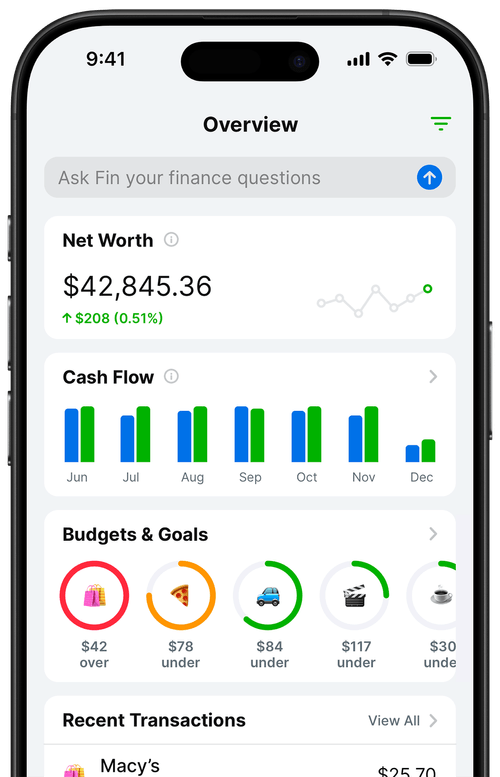
Start with subscriptions. Open your bank and credit card statements from the past two months and highlight every recurring charge. Cancel or pause the ones you can live without. Most streaming services have pause options. Software subscriptions, newsletter subscriptions, and app memberships add up faster than people realize, and they are easy to reinstate later when you are back on your feet.
Drop dining out to near zero, not because it is immoral but because it is the fastest way to save meaningful money per month without affecting your quality of life as much as you might expect. Cooking at home requires more time, which you happen to have more of right now.
Look at fixed costs next. Call your internet provider and ask for a lower plan or a promotional rate. Do the same with your phone plan. Check whether your car insurance can be adjusted if you are driving less. These calls feel tedious but each one can save you thirty to a hundred dollars a month, and they only have to happen once.
A useful mental frame: think in terms of extending your runway by days. Cutting two hundred dollars per month from your spending adds six days of runway to a fund that would have lasted ninety days. Cutting five hundred per month adds fifteen days. Each reduction is tangible time you have bought yourself to find the right next role rather than the nearest one.
How do you find supplemental income while job searching?
Supplemental income during a job search is worth pursuing for two reasons: it extends your financial runway and it keeps you in a working mindset, which matters more than it sounds after a few weeks of searching.
Freelance work is the most direct option if you have marketable skills. Consulting, writing, design, development, bookkeeping, and dozens of other fields have active freelance markets. Even five or ten hours of freelance work per week at a reasonable hourly rate can cover a meaningful portion of your essential expenses. Platforms like Toptal, Upwork, and industry-specific job boards are worth exploring, but your existing professional network is usually the faster path to the first client.
Part-time or temporary employment is worth considering if freelance work is harder to find in your field. Temp agencies specialize in placing people in short-term roles quickly. The work may not be in your primary field, but it generates cash while you search, which is the entire point.
Selling unused items is a one-time rather than recurring option, but it can generate a useful lump sum quickly. Electronics, furniture, tools, and clothing all move well on platforms like eBay, Facebook Marketplace, and Craigslist. It is not a long-term strategy, but it can cover a month of expenses without touching your savings.
Government assistance programs, including unemployment insurance, exist specifically for this situation. There is no reason not to apply for benefits you are entitled to. The application process has become more streamlined in most states, and benefits typically replace forty to fifty percent of your previous earnings up to a state-specific cap.
How does networking fit into financial planning after a job loss?
Networking is not just a job-search tactic; it is a financial strategy. The faster you find your next role, the less strain on your savings and emergency fund. Every week you shorten the gap is a week of runway you do not spend.
Update your resume and LinkedIn profile early, then start reaching out. The goal is not mass applications but targeted outreach to people who know you and might know of relevant openings. A direct message to a former colleague who works at a company you are interested in is worth more than fifty cold applications.
Let people in your network know you are looking, clearly and without embarrassment. Most people who have had a long career have been through a period of unemployment or know someone who has. The stigma around it has decreased substantially, and a clear, direct message about what you are looking for makes it easy for people to help.
Career fairs, industry events, and professional communities (online and in person) are worth attending during this period. The time you previously spent working is now partially available for search activities. Treat the search like a part-time job with structure and weekly output goals.
The financial and the practical work together here. Staying active in your search shortens the gap. Shortening the gap protects your savings. Protecting your savings reduces the pressure on every other decision you are making during this period.
Frequently Asked Questions
How do I manage finances after losing my job?
Start by rewriting your budget around your actual current income, including severance and unemployment benefits. Then audit your emergency fund, cut non-essential spending, and explore supplemental income options like freelance work or part-time employment while you search for a full-time role.
Should I use my savings after a job loss?
Use savings only for necessary expenses, and avoid draining them entirely. A partial draw is reasonable; a full depletion leaves you with no buffer for the next unexpected event. Prioritize stretching your runway by cutting discretionary spending first.
What should I do first financially after losing a job?
The first step is to get a clear picture of your current situation: list all income sources, including severance and unemployment benefits, list all expenses, and set a monthly spending limit based on what you actually have coming in. Do this within the first week.
How much emergency fund do I need after a job loss?
The standard target is three to six months of essential expenses. After a job loss, focus first on stretching whatever you have, then start rebuilding once any new income arrives, even if it starts small.
How do I reduce spending quickly after losing a job?
Cancel or pause subscriptions immediately. Drop dining out to near zero. Call service providers like your internet and phone company and ask for hardship rates or lower plans. Look for free alternatives to paid services you use regularly.
Can I negotiate bills when I'm unemployed?
Yes. Many providers have hardship programs that are not widely advertised. Call and explain your situation. Utility companies, internet providers, and credit card issuers often offer options including deferred payments, reduced minimums, or temporary rate reductions.