


Key takeaways
- The IRS classifies gym memberships as personal expenses in nearly every case, making them non-deductible for most people.
- The exception is when physical fitness is a direct, documented requirement of your specific trade or business, not just a general health benefit.
- Personal trainers who use a gym to meet clients can deduct the business-use portion of their membership based on the percentage of time spent with clients versus personal workouts.
- Gym memberships are not deductible as medical expenses, even with a doctor's recommendation, though certain prescribed weight-loss program fees may qualify.
- Most self-employed people are better served by deducting related expenses that clearly qualify: continuing education, professional certifications, fitness equipment purchased for client use, and software tools.
Every tax season, the question comes up: can you write off a gym membership as a business expense? It sounds plausible. You stay healthy, you work better, your clients trust you more. But the IRS does not follow that logic, and most people who try to claim a gym membership end up with a deduction that does not hold up to scrutiny. The actual rule is narrower than most people realize, and knowing where the line sits can save you from an audit headache.
Can you write off a gym membership as a business expense?
For the vast majority of self-employed people and small business owners, the answer is no. The IRS treats gym memberships the same way it treats other personal health costs: as nondeductible personal expenses. The fact that being fit makes you a better worker, a sharper thinker, or a more energetic freelancer does not change that classification.
The standard the IRS applies comes from Section 162 of the tax code, which allows deductions for expenses that are "ordinary and necessary" in carrying on a trade or business. General fitness does not meet that standard because it benefits you personally, not just your business. Courts have upheld this position repeatedly when taxpayers have challenged it.
There is a narrow exception, and it comes up often enough that it is worth walking through carefully. If physical fitness is not just beneficial but genuinely required by the nature of your specific job, and if going to that gym is common practice in your industry, a deduction may be defensible. The key word is "specific." A software developer who goes to the gym to stay sharp does not qualify. A personal trainer who uses the gym as the place where she meets clients is a different story.
What does "ordinary and necessary" actually mean?
These two words do a lot of heavy lifting in tax law, and they are frequently misunderstood. An "ordinary" expense is one that is common and accepted in your specific trade or business. A "necessary" expense is one that is helpful and appropriate for your work. Critically, both conditions need to apply to the same expense for it to be deductible.
A useful example: a vocal coach purchasing sheet music is an ordinary expense because it is typical for music educators, and it is necessary because she needs a repertoire to teach from. Both boxes are checked. Now apply that same test to a gym membership for, say, a freelance graphic designer. Is a gym membership common among graphic designers? Not in any industry-specific way. Is it necessary for the work? Not directly. The test fails on both counts.
Where the test gets more interesting is with professions where physical condition is tied directly to the service being delivered. A stuntperson, a firefighter, a fitness instructor, or a professional athlete all have a clearer argument because their physical capability is the product. The closer the connection between fitness and your specific job output, the stronger your position.
Which professions can legitimately deduct gym expenses?
A handful of occupations have a real case for deducting gym costs, though even within these categories it depends on specifics.
Personal trainers and fitness coaches
Personal trainers are the clearest case. If you work as a trainer and your gym is the location where you meet clients, the membership is both ordinary for your profession and necessary for your work. You need access to that equipment and space to do your job. The IRS has been more willing to accept this deduction than most other fitness-related claims, particularly when the trainer can document business use separately from personal use.
One thing worth noting: if you run your training business out of a home gym, the calculation shifts. You may qualify for a home office deduction on that dedicated space instead, and you can deduct the full cost of equipment purchased for client use. The gym membership itself becomes less relevant in that scenario.
Professional athletes and performers
Professional athletes have successfully claimed gym expenses as business deductions because their physical performance is their livelihood. The same logic applies to dancers, stunt performers, and certain types of physical therapists when they need to maintain specific fitness standards to demonstrate techniques to clients. These cases require documentation that the fitness expense is tied directly to the professional standard, not just general wellness.
Military contractors and similar roles with documented fitness requirements
Some contractors working in physically demanding fields have deducted fitness costs when their contracts include explicit fitness requirements. If your employment contract or licensing requirement mandates maintaining a certain level of physical fitness, that changes the calculus. The requirement needs to be documented, not just implied.
How do you calculate the deductible portion of your membership?
Assuming you are a personal trainer or another professional with a legitimate claim, you cannot simply deduct the full cost of your membership. You can only deduct the business-use portion, and you need records to back it up.
The calculation works the same way as mixed-use business expenses like a home office or a vehicle. You track total gym visits over a representative period, then separate the business sessions from the personal ones. If you visit the gym 20 times in a given month and 14 of those visits are for client sessions, then 70 percent of that month's membership cost is deductible as a business expense.
Keep a simple log: date, whether the visit was for a client session or personal use, and the client name for business sessions. A spreadsheet works fine. The goal is to have something you can point to if the IRS asks, because the deduction will look unusual on a return and the burden of proof is on you.
Can a gym membership count as a medical expense deduction?
This one comes up often, and the answer is more nuanced than a flat no, but it is close. The IRS does not allow gym memberships as medical expense deductions under standard circumstances. Wanting to get healthier, or even being advised by a doctor to exercise more, does not make your membership a deductible medical expense.
The exception exists for specific, physician-prescribed weight-loss or disease management programs. If a doctor formally diagnoses you with obesity, hypertension, or heart disease and prescribes a structured treatment plan that includes participation in particular activities or classes, the fees directly associated with those prescribed activities may be includable in your itemized medical expenses.
The critical distinction is this: the IRS allows deductions for fees charged specifically for the prescribed weight-loss activity, not for the gym membership itself. If your gym charges a separate fee for a medically supervised weight-loss program, that fee might qualify. The general membership cost that also gives you access to the sauna, the basketball courts, and the spin classes does not.
Also worth noting: medical expense deductions are only available to people who itemize rather than taking the standard deduction, and they are subject to a 7.5 percent of adjusted gross income threshold. For most people, the standard deduction is higher, making this avenue irrelevant even when the medical expense technically qualifies.
What fitness-related expenses can self-employed people actually deduct?
If you are a fitness professional, there are legitimate deductions available beyond just the gym membership itself. These tend to be cleaner to defend because they are more clearly tied to business operation.
Fitness equipment for client use
If you purchase equipment that clients use, that equipment is a business asset. Resistance bands, weights, suspension trainers, and similar tools you bring to sessions or keep in a home gym used for client work are deductible. Keep the receipt and note the business purpose. If the equipment is used personally as well, only the business-use portion is deductible.
Continuing education and certifications
Courses, certifications, and workshops that expand your expertise in your current field are fully deductible as business education expenses. If you are a personal trainer getting certified in corrective exercise or nutrition coaching, those certification fees qualify. The same applies to fitness conference registration fees. What does not qualify is training that would prepare you for a completely different career.
Liability insurance
Fitness professionals typically carry liability insurance for their training practice. That premium is a straightforward business expense deduction.
Professional software and apps
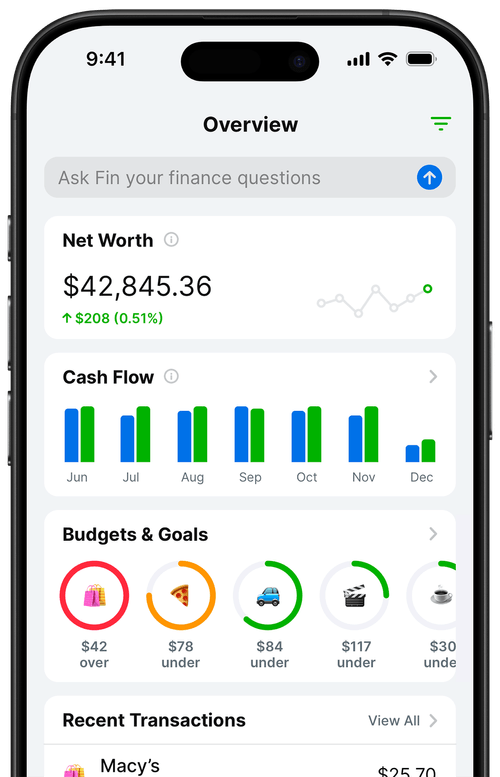
Scheduling tools, client management apps, workout programming software, and similar business tools are deductible. If you use an expense tracking app to manage your business finances, that cost qualifies too. The test is the same: the expense should be ordinary for professionals in your field and necessary for running your practice.
What other self-employed write-offs are worth tracking?
The gym membership question often comes from people who are generally trying to understand what they can deduct as a self-employed person. A few categories that are genuinely worth tracking:
Marketing and advertising
Website hosting, professional photography for your site or social media, paid ads, business cards, and any other costs associated with promoting your services are deductible. This includes fees for a professional headshot session, the cost of maintaining an email list, or a sponsored post on a local community board.
Home office deduction
If you use a dedicated space in your home regularly and exclusively for business, you may qualify for the home office deduction. There are two methods: the simplified method (a flat rate per square foot) and the regular method (a percentage of actual home expenses). The regular method requires more recordkeeping but can yield a larger deduction for people in high-cost housing markets.
Vehicle mileage for client travel
If you drive to client locations, that mileage is deductible at the IRS standard rate (67 cents per mile in 2024). Track it with a mileage log, either a paper notebook kept in the car or one of the dedicated mileage tracking apps. The deduction adds up faster than most people expect.
Self-employed health insurance premiums
If you pay for your own health insurance and you are self-employed, those premiums are deductible directly from your gross income. This is one of the more substantial deductions available to freelancers and sole proprietors, and it does not require itemizing.
Frequently Asked Questions
Can I deduct my gym membership as a business expense?
In most cases, no. The IRS classifies gym memberships as personal expenses. The narrow exception applies when physical fitness is directly required by your specific trade or business, such as a personal trainer who meets clients at the gym. General wellness benefits from exercise do not meet the "ordinary and necessary" standard for most professions.
Can a gym membership be a medical expense deduction?
Generally no. The IRS does not allow gym memberships as medical expense deductions. A physician-prescribed weight-loss program following a diagnosis of obesity, hypertension, or heart disease may allow certain activity fees to qualify, but the general gym membership cost does not. Medical expense deductions also require itemizing and are subject to a 7.5 percent of AGI floor.
What percentage of my gym membership can a personal trainer deduct?
Only the business-use portion. Track how many sessions per week are with clients versus personal workouts. If 14 of 20 weekly visits are client sessions, roughly 70 percent of the membership cost is deductible. You need a log to support this calculation if the IRS asks.
What does "ordinary and necessary" mean for business expenses?
An ordinary expense is common and accepted in your trade or industry. A necessary expense is helpful and appropriate for your business. Both conditions must apply to the same expense. General fitness does not meet either standard for most professions, which is why gym memberships typically do not qualify.
What fitness-related expenses can self-employed fitness professionals actually deduct?
Personal trainers can deduct the business-use portion of a gym membership, fitness equipment purchased for client sessions, liability insurance premiums, professional certifications and continuing education, and business software or apps. Each expense should be documented with receipts and a note of its business purpose.
Does having a doctor recommend exercise make a gym membership tax-deductible?
No. A general recommendation to exercise does not make a gym membership a deductible medical expense. The IRS requires a formal diagnosis of a specific condition and a prescribed treatment plan. Even then, only the fees specifically tied to the prescribed activity qualify, not the general membership cost.