


Key takeaways
- A budget is a spending plan built from real numbers, not an aspirational wish list. Start with what you actually earn and spend.
- The 5-step process: track income, track expenses, calculate what's left, allocate by priority, review weekly.
- For beginners, the 50/30/20 rule is the lowest-friction starting method. Zero-based budgeting is more powerful once you have a few months of data.
- The most common beginner mistake is building a budget from ideal spending, not actual spending. Track first, plan second.
- Budgeting gets easier after two to three months once you have real category data to work from.
The hardest part of learning how to make a budget for beginners isn't the math. It's the feeling that you need to have everything figured out before you start. You don't. A first budget is allowed to be rough. What matters is starting with real numbers and adjusting from there.
I built a personal finance app because I kept watching people start budgets with optimistic estimates, blow past those estimates in week two, and then give up entirely. The problem wasn't discipline. It was that they were guessing. This guide is about replacing the guesses with a process that works even when your spending isn't perfect.
How to make a budget for beginners in 5 steps
Budgeting is not complicated. The process has five steps, and the first two are just observation. You're not committing to anything yet; you're gathering information.
Step 1: Add up your take-home income
Start with your after-tax income: the amount that actually lands in your bank account each month. If you have a salary, this is straightforward. If you freelance or have variable income, use the average of your last three months, then round down slightly to be conservative. Overestimating income is one of the fastest ways to blow a budget before it starts.
Include every income source: salary, freelance payments, side work, rental income, and any other regular deposits. The goal is an honest picture of what you have to work with.
Step 2: Track what you actually spend
Pull up your last 30 days of bank and credit card statements. Go through every transaction and sort it into a category: housing, groceries, dining out, transportation, subscriptions, medical, entertainment, clothing, and so on. The categories don't need to be perfect; you can adjust them later. What matters is capturing every dollar.
Don't skip the small irregular purchases. A $14 app subscription, a $40 parking charge, a $25 co-pay: these add up and they're usually what makes a first budget feel wrong when you try to match it against reality.
Step 3: Calculate your net position
Subtract total spending from total income. The result tells you where you stand. If it's positive, you have room to direct money toward savings or debt. If it's negative or close to zero, you now know exactly which categories need attention, without having to guess.
A lot of people are surprised at this step. Either they discover they're already saving more than they thought, or they find that one or two categories are quietly consuming a large portion of their income. Both are useful data.
Step 4: Assign targets to each category
Now you're building the actual budget. Take your income and assign a target amount to each spending category. Base your targets on what you actually spent in step two, adjusted for what you want to change. If you spent $600 on dining out and want to cut it to $350, that's a real target, not an arbitrary one.
Set aside a specific amount for savings or debt repayment before allocating discretionary spending. Treating savings as a fixed expense rather than whatever's left over at the end of the month is the single biggest structural change most people can make to their finances.
Step 5: Review weekly and adjust monthly
A budget that's never looked at is just a document. Set aside five minutes once a week to check where you stand in each category. If dining out is already at 80 percent of target by week two, you know to ease up for the rest of the month. Catch problems while there's still time to adjust, not at the end when it's too late.
At the end of each month, review the full picture and update your targets for the next month based on what you learned. Your second budget will be more accurate than your first. Your third will be better still.
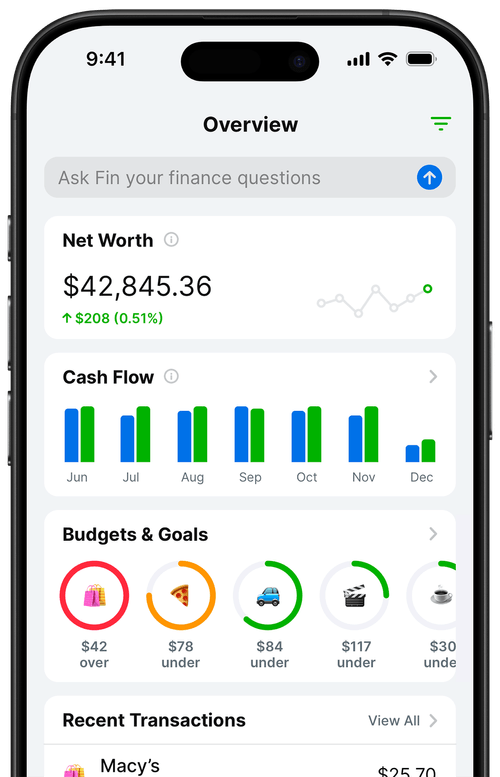
Which budgeting method works best for beginners?
There's no universally correct answer here. The best budgeting method for beginners is the one they'll actually use. That said, some methods have lower startup costs than others, and that matters a lot in the first 60 days when the habit is still forming.
The 50/30/20 rule
Divide your after-tax income into three buckets: 50 percent for needs (rent, utilities, groceries, transportation), 30 percent for wants (dining out, entertainment, subscriptions, clothing), and 20 percent for savings and debt repayment. This method is the most forgiving for beginners because it doesn't require tracking dozens of sub-categories. You just need to know whether a given purchase is a need, a want, or going toward financial goals.
The limitation is that 50/30/20 can mask problems. If you're spending 45 percent on housing alone, the 50 percent "needs" bucket doesn't tell you that. Once you have a feel for budgeting, migrating to a more detailed method gives you more useful information.
Zero-based budgeting
Every dollar of income gets assigned a job at the start of the month. Income minus all allocations equals zero. This sounds extreme, but it doesn't mean you spend everything. Savings and investments are their own categories. The power of zero-based budgeting is that nothing is unaccounted for, which makes overspending very visible very quickly.
This method works better after you have one or two months of real spending data. Without that data, your allocations are guesses, and zero-based budgeting punishes guesses more than any other method.
Envelope budgeting
Traditionally done with physical cash envelopes labeled by category, envelope budgeting gives each spending category a fixed amount of money for the month. When the envelope is empty, you stop spending in that category. The physical constraint is the entire point: it's hard to overspend a literal empty envelope.
This method translates well to digital tools that replicate the envelope model. It works best for variable spending categories where overspending is a recurring pattern, like groceries, dining, or entertainment.
Which one to start with
If you've never tracked spending before, start with 50/30/20 for the first month while tracking all your actual spending in detail. At the end of that month, you'll have real data to decide whether the structure is sufficient or whether you want to move to zero-based budgeting for more control. Most people who stick with budgeting long-term end up somewhere between the two: broad categories at the top level, with more detail in the categories that matter most to them.
How do budgeting beginners handle irregular or unexpected expenses?
The category that sinks most beginner budgets isn't dining out or subscriptions. It's the expenses that don't appear every month. Car repairs. A medical co-pay. A friend's wedding. An annual insurance premium. These feel unexpected, but most of them are actually predictable if you zoom out to a 12-month view.
Build a buffer category
One of the first additions I'd recommend to any beginner budget is a category called something like "irregular expenses" or "buffer." Budget $50 to $150 per month into it and let it accumulate. When the car needs new tires, you have a place to pull from without blowing every other category. If the month passes without a big hit, the balance carries forward.
This is different from an emergency fund, which covers job loss, major medical events, and genuine crises. The buffer is for predictable-but-infrequent spending that doesn't fit neatly into monthly categories.
Use sinking funds for planned large expenses
If you know you're traveling in October or replacing a laptop next year, start a sinking fund now. Divide the expected cost by the number of months until you need it and budget that amount each month. When the expense arrives, the money is already there. This is one of the few budgeting techniques that feels legitimately satisfying once it works the first time.
Treat irregular income the same way
If your income fluctuates (freelance work, commissions, part-time hours), budget based on your lowest reliable month, not your average or your best month. When a high-income month arrives, send the surplus to savings or debt before it disappears into discretionary spending. The discipline of budgeting from a conservative baseline prevents the kind of lifestyle expansion that makes variable income feel permanently chaotic.
What budgeting mistakes do beginners make most often?
After building personal finance tools for over a decade, I've noticed that most budgeting failures come down to a short list of structural mistakes, not a lack of willpower.
Building the budget from wishful thinking, not real data
The most common mistake is setting targets before tracking. Someone decides they'll spend $300 on groceries because that sounds reasonable, without first checking whether they've ever actually spent $300 on groceries. When reality doesn't match the aspiration, the budget feels like a failure even though it was just based on bad inputs. Track first. Budget second.
Forgetting irregular expenses
A budget that only accounts for monthly recurring expenses will be wrong every time an annual bill, a car repair, or a medical expense shows up. Go back through a full 12 months of transactions to identify every irregular expense, then divide the annual total by 12 and budget that amount every month. Your budget will be dramatically more accurate for it.
Not reviewing often enough
A budget reviewed once a month is a budget that gets corrected after the damage is done. By the time you realize dining out ran three times over target, the month is over. Weekly check-ins take five minutes and give you time to adjust while the month is still in play.
Quitting after one bad month
No one's first budget is accurate. The first month is data collection. The second month is refinement. Abandoning a budget because month one was messy is like stopping a recipe halfway through because the kitchen got dirty. The mess is part of the process. The value comes from sticking with it long enough to have two or three months of real data to learn from.
Making the budget too restrictive
A budget that allocates zero dollars to anything enjoyable is a budget that will be abandoned by week three. Build in a "spending money" or "fun" category with a real, workable amount. The goal isn't to eliminate discretionary spending. It's to make it intentional. Feeling deprived is a reliable predictor of quitting.
How long does it take before budgeting becomes a habit?
The honest answer is two to three months. The first month feels like effort because everything is new and your data is incomplete. The second month gets easier because you have a baseline. By the third month, most people find they're not thinking hard about the process anymore. They're just doing it.
What actually drives the habit forming is the weekly review, not the monthly budget. The monthly budget is a plan. The weekly review is the behavior that makes the plan useful. Once the five-minute weekly check-in becomes routine, the rest of the system runs mostly on autopilot.
A few things that help in the first 90 days: use whatever tracking method creates the least friction for your situation, keep the category count manageable (eight to twelve categories is plenty for most people), and don't wait for a "perfect" month to start. There is no perfect month. The data from an imperfect month is still data.
Frequently Asked Questions
How much money do I need before I can start budgeting?
You can start budgeting with any income level. A budget is just a plan for what you have, and it doesn't require a minimum amount. The sooner you start, the more useful the data becomes over time.
What is the easiest budgeting method for beginners?
The 50/30/20 rule is the easiest starting point for most beginners. It divides after-tax income into three buckets: 50 percent for needs, 30 percent for wants, and 20 percent for savings and debt repayment. No detailed category tracking required.
How often should I review my budget?
Once a week is ideal for beginners. A five-minute weekly check-in lets you catch overspending before the month ends, rather than discovering a problem in the last week when it's too late to adjust.
What do I do if I go over budget in a category?
Don't abandon the budget. Adjust it. Pull from a lower-priority category for the rest of the month, or note the overage and use it to set a more realistic target next month. One bad week isn't failure; it's data.
Should I budget with gross income or take-home pay?
Always use take-home pay: the amount deposited after taxes, insurance, and retirement contributions are removed. Gross income is what you earn; take-home pay is what you actually have to spend.
How long before budgeting stops feeling difficult?
Most people find that after two to three months, the tracking becomes routine and the categories feel natural. The first month is data collection. The second is adjustment. By the third, you're budgeting rather than reacting.