


Key takeaways
- Debt consolidation combines multiple balances into one payment, usually at a lower interest rate. Refinancing replaces a single debt with better terms.
- Credit card debt, personal loans, and medical bills are the best consolidation candidates. Secured debts like mortgages are typically refinanced separately.
- Balance transfers work well for high-interest card debt if you can pay the balance off before the promotional rate expires.
- The biggest mistakes are taking on new debt during consolidation, ignoring fees, and skipping a realistic budget.
- Neither strategy fixes the underlying habits that created the debt. A budget that reflects real spending is what makes the plan stick.
Debt consolidation and refinancing are two of the most searched personal finance strategies for good reason: they can genuinely reduce what you pay in interest and simplify a situation that has become difficult to manage. But they are not magic. I've watched plenty of people consolidate their credit card debt, breathe a sigh of relief, and then gradually rebuild the same balances over the next two years. The strategy worked. The habits did not change.
This article walks through what each approach actually does, when it makes sense, and how to avoid the traps that make it fail.
What is debt consolidation, and when does it make sense?
Debt consolidation means combining multiple debts into a single loan or payment. Instead of tracking four different due dates, four different interest rates, and four different minimum payments, you have one. That simplification has real value, and not just psychological value: a single fixed-rate loan makes budgeting considerably more predictable.
The strategy works best when you are carrying high-interest unsecured debt across multiple accounts. Credit card balances are the textbook case. If you have $8,000 spread across three cards at 22, 24, and 19 percent APR, consolidating into a personal loan at 12 percent saves you a meaningful amount in interest over the repayment period, and reduces your payment obligations to one monthly transfer.
Debt types well-suited for consolidation
- Credit card balances: High interest rates and revolving structure make these ideal candidates. Consolidating into a fixed-rate personal loan turns an open-ended liability into a structured payoff schedule.
- Personal loans: If you have multiple personal loans with different rates and terms, rolling them into one typically lowers your weighted average interest rate.
- Medical bills: Medical debt often carries 0% interest initially, but when it goes to collections or gets assigned to a financing company, the rates climb. Consolidating before that happens is worth considering.
- Other unsecured debts: Payday loans, high-interest installment loans, and similar obligations are expensive to carry and good candidates for consolidation.
Federal student loans have their own consolidation program through the Department of Education, which works differently from private consolidation loans and is worth exploring separately if student debt is your primary concern.
How does debt consolidation actually work?
The mechanics are straightforward. You apply for a consolidation loan from a bank, credit union, or online lender. If approved, the lender pays off your existing debts directly (or gives you the funds to do so), and you repay the new loan in fixed monthly installments over a set term, typically two to seven years.
The new loan should come with a lower interest rate than your current weighted average. If it does not, consolidation may simplify your life, but it will not save you money. Do that math before signing anything.
There are two other important considerations. First, most personal loans charge an origination fee of one to six percent of the loan amount. On a $10,000 loan, that is $100 to $600 upfront. Factor that into your total cost calculation. Second, consolidating does not eliminate the debt. It restructures it. The discipline to not rebuild balances on the accounts you just paid off is entirely on you.
What are the real benefits of consolidating debt?
When executed correctly, debt consolidation offers three concrete advantages.
Simplified payment structure. One payment, one due date, one fixed rate. This alone reduces the cognitive load of managing debt and makes it much easier to build a consistent monthly budget. Missed payments often happen not because someone does not have the money, but because they lost track of which account was due when.
Lower interest cost. If your new rate is materially lower than your existing weighted average, you will pay less in total interest over the life of the debt. The longer your repayment timeline, the larger this benefit compounds.
Credit score improvement over time. Consolidating revolving credit card debt into an installment loan typically lowers your credit utilization ratio, which can give your score a near-term boost. Making consistent on-time payments on the new loan builds positive payment history. Both factors matter to credit bureaus. The catch: you have to avoid opening new credit lines or running up card balances again.
What is debt refinancing, and how is it different?
Refinancing means replacing an existing debt with a new one under different terms. Where consolidation is about combining, refinancing is about renegotiating. You might refinance a single mortgage, auto loan, or student loan to get a lower rate, change the loan term, or switch from a variable to a fixed rate.
The distinction matters because refinancing one large debt and consolidating a handful of small ones require different tools and different calculations. You would not typically refinance your mortgage and your credit card balances into the same product.
Common refinancing methods
- Balance transfers: Moving high-interest credit card debt to a card with a 0% introductory APR. This can be an effective short-term strategy if you have the discipline to pay off the transferred balance before the promotional period ends, usually 12 to 21 months. After that, the rate typically resets to 19 to 28 percent, which can make things worse than before. Balance transfer fees, usually 3 to 5 percent of the transferred amount, also need to factor into your math.
- Personal loan refinancing: Taking out a new personal loan at a better rate to pay off an existing one. This works well when your credit score has improved since you took out the original loan.
- Mortgage refinancing: Replacing your existing mortgage with a new one to secure a lower rate, shorten the term, or switch from adjustable to fixed. Cash-out refinancing lets homeowners borrow against home equity, sometimes to pay off other high-interest debt. The closing costs for mortgage refinancing are substantial, typically 2 to 5 percent of the loan amount, so the rate improvement needs to be significant to justify it.
- Student loan refinancing: Refinancing federal student loans with a private lender can lower your rate if you have strong credit and income, but it permanently removes access to federal income-driven repayment plans and forgiveness programs. That tradeoff deserves careful thought before you commit.
How do I choose the right consolidation or refinancing option?
There is no universal right answer, but the evaluation process follows a clear sequence.
Start with your current numbers. List every debt: balance, interest rate, minimum payment, and remaining term. Calculate your total monthly obligation and your weighted average interest rate. These are your benchmarks. Any option you consider needs to beat them in a meaningful way after accounting for fees.
Match the tool to the debt type. High-interest credit card balances respond well to balance transfers (if you can pay them off quickly) or personal loan consolidation. Large single debts like mortgages or student loans are refinancing candidates, not consolidation candidates. Do not mix these up.
Read the full cost, not just the rate. Origination fees, balance transfer fees, prepayment penalties, and closing costs all affect whether the math actually works. A loan with a slightly higher rate but no fees can be cheaper than one with a low rate and a steep origination charge. Run the numbers over your actual payoff timeline, not some theoretical "over the life of the loan" figure that assumes minimum payments.
Understand the credit impact. Applying for a new loan generates a hard inquiry, which usually drops your score three to five points temporarily. Multiple applications in a short window look like financial stress to scoring models. If you are shopping rates from several lenders, do it within a 14 to 45 day window (depending on the scoring model) so those inquiries count as a single event.
Check your credit score before applying. Most personal loan lenders want a score of 580 or above. Rates improve significantly above 670, and the best terms typically require 720 or higher. Balance transfer cards with 0% introductory rates usually require good credit as well. If your score is too low for favorable terms, a nonprofit credit counseling agency may be a better starting point than a bank loan.
How do I build a debt payoff plan that actually holds?
Consolidating or refinancing without a budget is like refinishing your floors without fixing the leak. You will end up doing it twice.
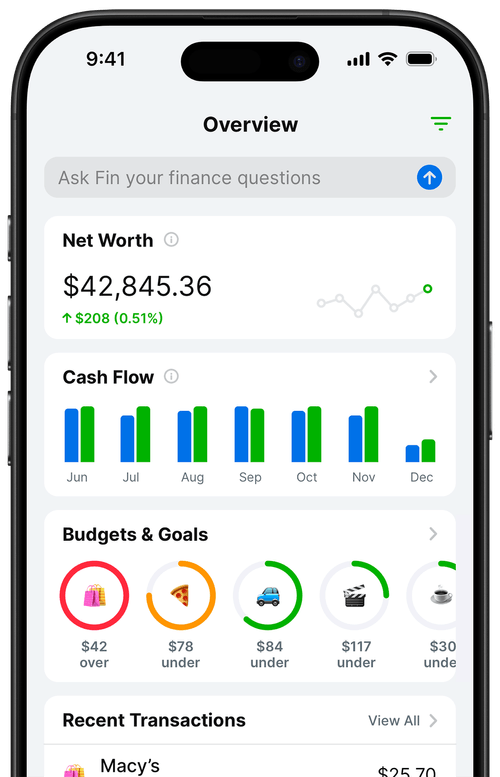
The first step is getting an accurate picture of your monthly cash flow. What comes in, what goes out, and what the gap actually is between income and necessary expenses. A lot of people skip this step because the number is uncomfortable. That is exactly why it matters.
Once you know your real cash flow, you can set a realistic monthly payment toward the consolidated debt. Realistic means you can sustain it for the entire loan term, not just the first three months when motivation is high. If the payment requires you to cut every discretionary expense permanently, it will not hold.
A working budget also protects you from the most common consolidation failure mode: rebuilding the cleared balances. When you pay off credit cards through consolidation, those accounts are still open and still available. Using them again while also making loan payments is how people end up in worse shape than when they started. The budget makes it visible when spending is creeping back up, before the damage compounds.
If you are working through a large debt repayment plan and you want external guidance, nonprofit credit counseling agencies offer debt management plans at low or no cost. They negotiate directly with creditors to lower rates, and they provide structured repayment timelines. This is worth considering if your situation is complex or if your credit score is too low to access better loan products on your own.
What are the most common debt consolidation mistakes?
Taking on new debt while consolidating. This is the most destructive mistake, and it is more common than most people expect. Consolidation creates breathing room in the monthly budget. That breathing room needs to go toward the new loan, not toward new spending. If you consolidate $12,000 in credit card debt and then spend $4,000 on those now-zero-balance cards over the next year, you have not made progress. You have added to the problem.
Ignoring the fees. Loan origination fees, balance transfer fees, prepayment penalties, and closing costs are easy to gloss over when a low rate is on the table. But fees are cash out of your pocket immediately, while interest savings accumulate gradually. On a short payoff timeline, fees can actually make a "lower rate" option more expensive total.
Skipping a realistic budget. Debt consolidation simplifies the payment structure. It does not change your relationship with spending. Without a budget that reflects your actual income and actual expenses, the same patterns that created the debt tend to re-emerge. The budget is not optional maintenance. It is the mechanism that makes the whole plan work.
Refinancing federal student loans for a slightly better rate. This one is specific but worth flagging. Federal student loans come with income-driven repayment options, forbearance protections, and forgiveness programs that private refinancing permanently eliminates. The rate savings need to be substantial and your career situation needs to be stable before that tradeoff makes sense.
Frequently Asked Questions
What is the difference between debt consolidation and debt refinancing?
Debt consolidation combines multiple debts into one loan or payment. Debt refinancing replaces a single existing debt with a new one that has better terms, such as a lower interest rate or different repayment period. You can do both at once, but they solve different problems.
Will debt consolidation hurt my credit score?
Applying for a consolidation loan triggers a hard inquiry, which can lower your score a few points temporarily. Over time, making consistent on-time payments on the new loan typically improves your score. The key is not opening new credit lines while you are paying down the consolidated balance.
What types of debt can be consolidated?
Credit card balances, personal loans, medical bills, and other unsecured debts are good consolidation candidates. Federal student loans have their own consolidation program. Secured debts like auto loans and mortgages are typically refinanced rather than consolidated with other debt types.
What credit score do I need to qualify for debt consolidation?
Most personal loan lenders want a score of 580 or higher for approval, though rates improve significantly above 670. Balance transfer cards with 0% introductory periods typically require good credit (670+). If your score is lower, a nonprofit credit counseling agency may offer a debt management plan without a credit check.
Is a balance transfer the same as debt consolidation?
A balance transfer is one method of consolidating credit card debt. You move balances from high-interest cards to a card offering a 0% introductory rate. It works well if you can pay off the balance before the promotional period ends, since the rate resets to a standard APR afterward.
How do I know which debt to consolidate first?
Start with your highest-interest unsecured debts, usually credit cards. These cost the most over time and are the easiest to consolidate into a personal loan or balance transfer card. Once those are handled, evaluate whether other debts like student loans or auto loans are worth refinancing separately.