


Key takeaways
- Print-on-demand platforms (Society6, Redbubble, Zazzle, Threadless) handle production and shipping but take a significant cut of each sale.
- Etsy is the largest audience for original handmade work and low-cost digital files, but competition is intense and fees have crept up.
- Curated marketplaces like Artfinder and UGallery reach more serious collectors and can command higher prices for original pieces.
- Creative Market is the strongest option for selling digital design assets: fonts, graphics, templates, and themes.
- Most income from online art sales is taxable as self-employment income, and tracking what you earn from each platform separately matters when tax season arrives.
Finding the best websites to sell art and designs online is one of those decisions that looks simple until you're three hours into comparing fee structures and wondering why you signed up for four platforms. I've spent time in creative communities and watched artists make this choice well and poorly. The platforms are not interchangeable, and picking the wrong one for your type of work costs you real money, both in fees you didn't expect and in sales you never see because your audience isn't there.
This guide breaks the landscape into categories based on what you're actually selling: print-on-demand products, original artwork, or digital design files. Each category has different trade-offs, and the right answer for an illustrator selling sticker sheets is different from the right answer for a painter selling oil originals.
What are the best websites to sell art and designs online as print-on-demand products?
Print-on-demand platforms are the closest thing to passive income in the art world. You upload a design once, and the platform handles printing, fulfillment, and customer service when someone buys. The trade-off is that your margin per item is lower than it would be if you were selling directly, because the platform is doing the production work.
Redbubble
Redbubble launched in 2006 and has built one of the larger independent audiences for artist-designed products. Artists set their own margin on top of the platform's base price, with a default margin of around 20%. The product range is wide: t-shirts, stickers, phone cases, art prints, home goods, and more. One thing worth knowing is that Redbubble's discovery algorithm heavily favors designs with consistent upload history, so artists who post regularly tend to gain traction faster than those who upload a batch and wait.
Redbubble ships to more than 100 countries, which gives even a small shop a genuinely international reach. For artists building a passive income stream alongside other work, it's one of the stronger starting points because the barrier to entry is low and the audience is already there.
Society6
Society6 emphasizes design-forward products and skews toward a slightly more design-conscious buyer than Redbubble. Artists earn a fixed commission on most product types, around 10% of the retail price, with the option to set their own artist margin on art prints and canvas prints. The product catalog leans heavily into home decor and wall art, which makes it a better fit for illustrators and fine art-adjacent work than for graphic designers selling apparel.
The built-in audience is substantial, and Society6 runs frequent promotions that drive traffic to the platform. The downside: those promotions sometimes compress your margin if you're not paying attention to how they affect the final price shown to customers.
Zazzle
Zazzle takes a slightly different approach by allowing customers to personalize products with the artist's design. This creates a longer tail of potential buyers, because a customer might find your design through a search for a personalized wedding invitation template rather than an art print. Artists set their own royalty rate (from 5% to 99%), and the platform has a referral system that lets artists earn additional income by promoting other sellers' products.
Threadless
Threadless Artist Shops lets you run a free storefront powered by Threadless's print-on-demand fulfillment. You set your own prices above the base cost, which means your margin is entirely in your hands. Threadless has more than 200 countries in its shipping network and runs design challenges that can generate meaningful exposure for artists who place well. For artists who want a branded storefront experience without handling inventory, it's worth adding to the list.
ArtPal
ArtPal is free to join and charges no commissions on direct sales, which makes it unusual in this category. Artists can sell originals, prints they produce themselves, or use ArtPal's print-on-demand service for a portion of the sale. The platform has a global reach of more than 150 countries. Because it's free, the barrier to entry is zero, but the audience is smaller than Redbubble or Society6, so expect to do more of your own marketing to drive traffic.
Which platforms work best for selling original fine art online?
Selling original artwork is a different problem than selling prints. The buyer is making a larger financial commitment, often based on trust in the artist and the platform's authentication standards. The platforms that work best here invest in curation and collector trust, not just traffic volume.
Etsy
Etsy is the largest marketplace for handmade and original creative goods, and for many artists it's the first place to start. The audience is vast and already shopping with intent to buy from independent creators. Etsy charges a $0.20 listing fee per item, a 6.5% transaction fee on the sale price plus shipping, and an additional payment processing fee of around 3%. Those costs add up on lower-priced items, but Etsy's sheer volume of buyers is difficult to match anywhere else.
The community infrastructure is also real. Forums, seller teams, and educational resources give newer artists a support system. The main challenge is competition: popular categories are crowded, and standing out requires strong photography, keyword research, and consistent new listings.
Artfinder
Artfinder launched in 2013 with a focus on original artwork from emerging and established artists. All work sold on the platform is original, which means buyers are investing in a one-of-a-kind piece rather than a reproduction. The platform does not charge listing fees but takes a commission of 33% to 40% on sales, depending on the seller's subscription tier. In return, Artfinder markets directly to collectors who are actively seeking original work, which is a fundamentally different buyer than a typical Etsy shopper.
For painters, photographers selling limited editions, and sculptors, Artfinder is worth applying to. Acceptance isn't guaranteed, which keeps the quality bar visible to buyers.
UGallery
UGallery curates its roster carefully, reviewing each piece before listing. The site attracts collectors with serious budgets and takes a 50% commission, which is steep but reflects the curation investment and the caliber of buyer. Artists accepted to UGallery gain access to an audience that's harder to reach through volume-based marketplaces. It's not the right fit for every artist, but for those making work priced above a few hundred dollars, the commission-to-buyer-quality ratio can work out favorably.
Fine Art America
Fine Art America operates as both a print-on-demand platform and an original art marketplace. Artists can sell canvas prints, framed prints, metal prints, and acrylic prints in addition to original pieces. Artists set their own markup above Fine Art America's base price and keep 100% of that markup. A free account lets you list a limited number of pieces; a paid membership ($30/year) removes the cap and adds a personal website. It's one of the few platforms that handles both sides of the equation, which makes it useful for artists who sell both originals and prints of their work.
Artplode
Artplode takes a different fee model than almost anyone else in this space: artists pay a flat one-time listing fee and keep 100% of the sale price. There are no commissions. All work is reviewed by art experts before listing, which maintains a quality standard that appeals to serious collectors. For higher-priced original work, the no-commission structure can make the per-sale economics significantly better than a percentage-based platform.
Minted
Minted Direct from Artist selects independent artists through design challenges and curatorial review. Work on the platform is sold as fine art prints in a range of sizes and formats. Artists set their own prices and have control over product selection. Minted's audience skews toward buyers shopping for home decor and gifts rather than serious art collectors, but the platform's design aesthetic attracts buyers willing to pay for quality over mass production.
What are the best websites to sell digital designs and assets online?
Digital design assets, which includes fonts, icon sets, templates, stock graphics, and UI kits, have a different economics from physical products or original art. There's no production cost per sale, which means a well-positioned asset can generate income long after you've finished making it. The platforms in this category compete on audience quality and the percentage they take from each sale.
Creative Market
Creative Market is the most established marketplace for digital design assets. Designers keep 70% of each sale, and the platform has a well-developed audience of creative professionals: graphic designers, web developers, small business owners, and marketers who need production-ready assets. The product categories cover fonts, graphics, templates, themes, add-ons, and 3D assets.
Getting accepted to sell on Creative Market requires a review process, and the platform is selective about quality. Once accepted, the discovery infrastructure is strong: curated collections, weekly free goods promotions, and a recommendation engine that surfaces relevant assets. For designers who have invested in producing high-quality digital products, it's the strongest marketplace available.
Designhill
Designhill operates as both a design marketplace and a crowdsourced design contest platform. Designers can sell digital assets directly or participate in client contests for logos, branding, and website design. The contest model means designers compete for project fees, which suits designers who want client work rather than passive product sales. The marketplace side allows designers to list ready-made assets and templates for direct purchase.
Which platforms give artists the most control over pricing and fees?
Fee structures differ enough between platforms that the same piece of work can net you a meaningfully different amount depending on where you list it. Here's a quick comparison of the models:
| Platform | Fee model | Artist margin control |
|---|---|---|
| Etsy | $0.20 listing + 6.5% transaction | Full (you set price) |
| Redbubble | Base price + artist margin % | Full (you set margin) |
| Society6 | Fixed commission (~10%) on most products | Partial (art prints adjustable) |
| Zazzle | 5% to 99% royalty rate you set | Full |
| Artplode | Flat listing fee, 0% commission | Full |
| Artfinder | 33% to 40% commission | Full (you set price) |
| UGallery | 50% commission | Partial |
| Creative Market | 30% platform fee | Full (you set price) |
| Fine Art America | You keep 100% of your markup | Full |
| ArtPal | 0% on direct sales | Full |
The highest-commission platforms tend to have the most curated audiences, which is the trade-off. A 40% commission from Artfinder reaching a collector willing to spend $800 on an original may net you more than a 6.5% Etsy fee on a $60 print. Running the math per platform for your specific price points and work type is worth doing before you decide where to invest your time.
Amazon Handmade and TurningArt
Amazon Handmade brings the advantage of Amazon's Prime shipping infrastructure and a customer base measured in hundreds of millions. It's restricted to handmade products verified by the seller, so it's suited to artists who produce physical handmade goods rather than prints or digital files. The referral fee is 15% with no separate subscription fee for Handmade sellers.
TurningArt works differently from every other platform on this list: it's an art rental service for businesses. Artists earn rental income when their work is displayed in offices and commercial spaces, with the option for renters to purchase pieces they want to keep. For artists who want passive income from existing work without selling it outright, TurningArt is a distinctive option worth knowing about.
How to track income from multiple art platforms without losing track at tax time
Once you're selling on more than one platform, income tracking becomes a real task. Redbubble pays monthly via PayPal. Society6 has its own payout schedule. Etsy deposits go to a bank account. Creative Market pays out on a different cycle. By the end of the year, you can easily have a dozen or more deposit sources to reconcile, none of which arrive with clean labels indicating which platform they came from or what percentage was fees versus earnings.
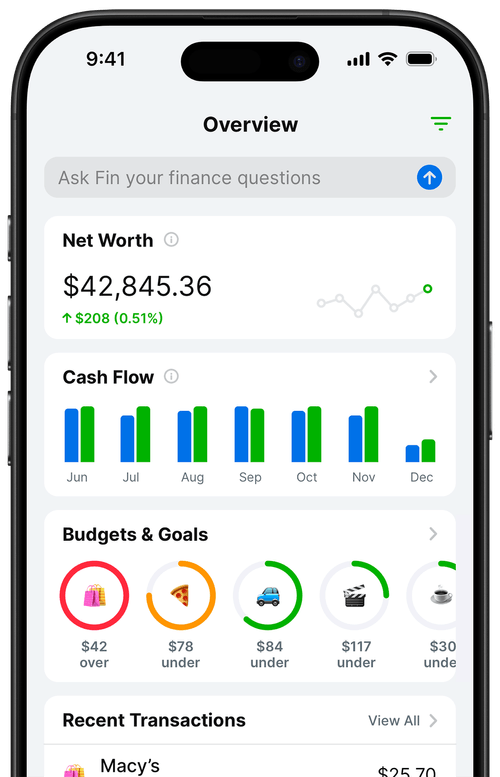
The practical answer is to categorize income by source as it arrives rather than reconstructing it from memory in April. Whether you use a spreadsheet or a dedicated finance app, the habit of tagging each deposit with the platform name and noting the gross versus net amount saves hours later. For self-employed artists, income from art sales is generally reported as Schedule C self-employment income, and knowing your net from each platform matters for accurate reporting.
Expenses matter here too. Listing fees, subscription plans, design software subscriptions, art supplies used for work you sell, and the portion of your home used as a studio can all be deductible. Keeping those categorized separately from personal spending throughout the year, rather than sorting through twelve months of transactions in one sitting, is the difference between a manageable tax season and a miserable one.
Frequently Asked Questions
What is the best website to sell original art online?
Etsy is the most popular option for original art, with a large built-in audience. For higher-end collectors, Artfinder and UGallery offer curated marketplaces that attract more serious buyers willing to pay premium prices.
Which print-on-demand platform pays artists the most?
Society6, Redbubble, and Zazzle all let artists set their own margins on top of the base product price, so earnings depend heavily on how you price your work. Redbubble's default artist margin is around 20%, while Society6 sets a fixed commission on most products. Running the numbers on both before committing to one is worth your time.
What is the best website to sell digital design assets like fonts and graphics?
Creative Market is the leading marketplace for fonts, graphics, templates, and themes. Designers keep 70% of each sale, and the platform has an established audience of creative professionals actively looking to buy.
Do I need a business license to sell art online?
Requirements vary by location, but most places require you to register as a sole proprietor or LLC once you're earning income from art sales. Check your local and state rules. Regardless of licensing status, any income from selling art is taxable and should be reported.
How do platform fees affect my take-home pay when selling art online?
Fees vary widely. Etsy charges a $0.20 listing fee plus a 6.5% transaction fee. Artplode charges a one-time listing fee and no commission. Print-on-demand platforms like Society6 and Redbubble build their margin into the base price, so your take is whatever you add on top. Always calculate net per sale before choosing a pricing strategy.
Can I sell art on multiple platforms at the same time?
Yes. Most platforms allow non-exclusive listings, so you can list the same design on Redbubble, Society6, and Zazzle simultaneously. The exception is some curated marketplaces like UGallery and Artfinder, which have policies worth reading before listing originals in multiple places.